 WhatsApp

Fuel Station and EV Signage Rollouts: Approve the Site Kit Before Production
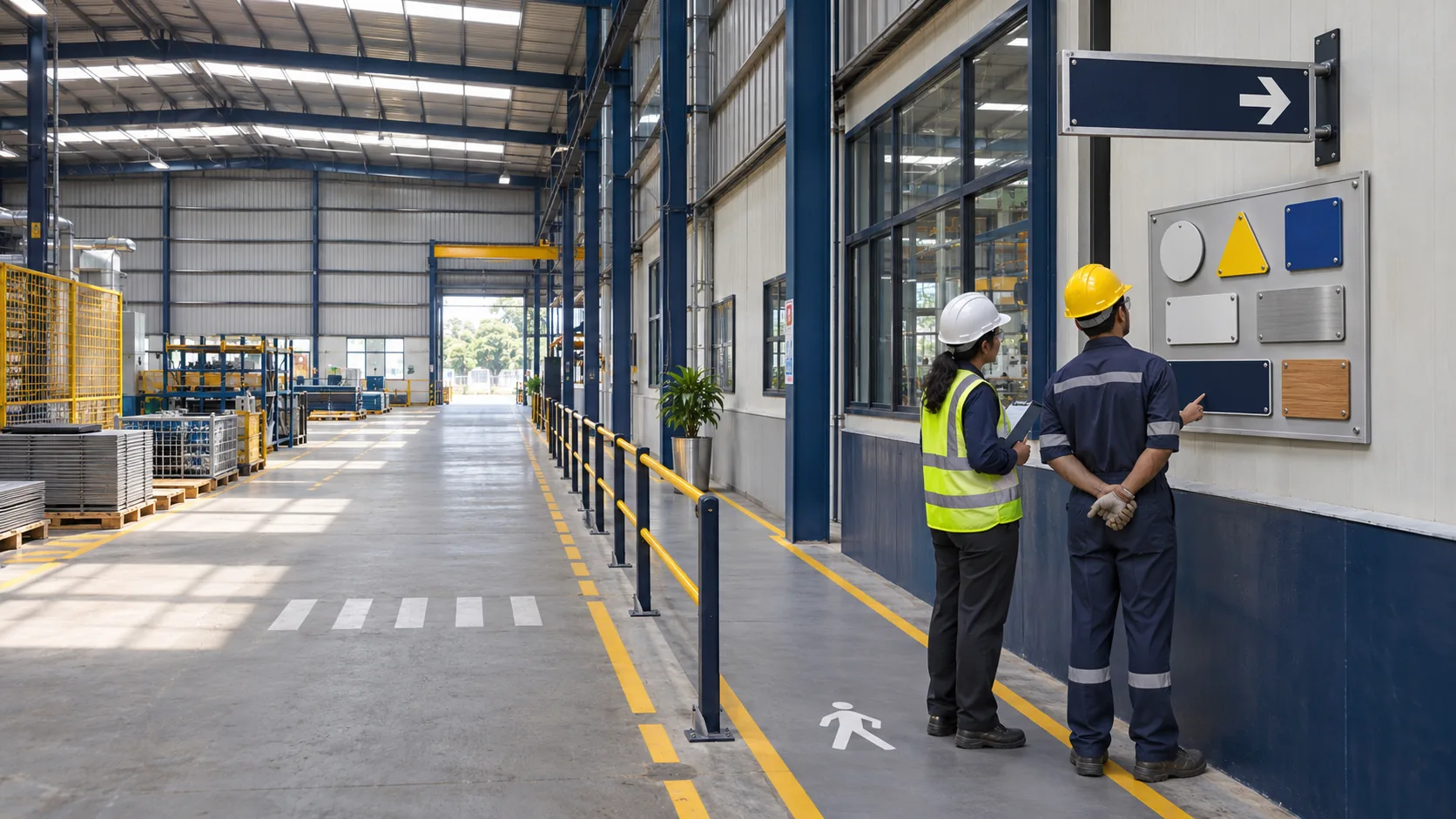
AI-generated representative fuel and charging environment. No named operator, outlet or completed IBS fuel project is depicted.
A fuel station or EV signage rollout should define an approved kit for each site, with separate owners for brand artwork, operating information, technical interfaces and installation release. A common network identity does not mean every outlet has the same dimensions or services. This guide is a procurement workflow for printed and fabricated signs. The operator and its appointed specialists retain responsibility for site requirements, safety decisions and technical approvals.
Turn the outlet list into site-specific kits
Start with the network’s outlet codes and the current brand manual. Survey the surfaces and existing signs included in the brief. Record which items will be replaced, retained or newly introduced, and identify shared sites where a fuel retailer and charging operator approve different content.
IBS manufactures signage and printed graphics in-house and coordinates installation across India. Its named work on this site does not establish a fuel-retailer client reference. The kit register below is the process we propose for a new enquiry, not a claimed result from an unnamed national rollout.
Give every kit item a content and interface owner
Attach the item register to the BOQ. Confirm whether the quotation covers the complete item or a replacement graphic face on an existing structure.
| Kit item | Approval information | Interface to resolve |
|---|---|---|
| Canopy or building fascia | Operator artwork, dimensions, colours and revision | Existing structure, fixing detail and retained finishes |
| Pylon and identity faces | Approved sign family and message arrangement | New fabrication versus replacement face; service access |
| Prices and customer information | Operator-issued content and update owner | Fixed print, replaceable panel or separately supplied display |
| Charging directions and bay signs | Charging-operator artwork and approved location plan | Operator boundaries, site circulation and receiving surface |
| Instructions and contact panels | Approved wording, language and verified destination links | Who updates the information when the service changes |
| Installation and acceptance | Released site scope and inspection requirements | Access, specialist approvals, handover and outstanding items |
This is a procurement register, not an electrical, fuel-system or safety design. The responsible specialists approve those requirements.
Separate customer information from brand artwork
The public-sector oil companies’ Marketing Discipline Guidelines 2024, hosted by IOCL, address displayed prices and complaint contacts. The Ministry of Power’s September 2024 charging guidelines address charging-rate information and signs identifying charging facilities. These dated sources show why the content owner matters; they are not a complete current compliance checklist for every site.
Ask the relevant operator to issue the approved text and applicable requirements for its outlet. Give changing information, such as contact details or tariff references, an update process. Check a QR destination with its owner before printing it. A printer should not infer operational instructions from a competitor’s sign or an old photograph.
Release artwork and fabrication details as separate decisions
Keep a master artwork revision and an approved adaptation for each site type. Dimensions, joins and fixing interfaces still need review against the surveyed location. A correctly coloured face can be unusable if its replacement frame or access arrangement was excluded from the order.
For repeat items, agree a reference sample and record the material, finish and component specification actually selected. Do not convert “same as existing” into an assumed specification. Where the existing item cannot be measured or inspected yet, record the hold point rather than releasing an estimated production size.
Let the site team determine the installation release
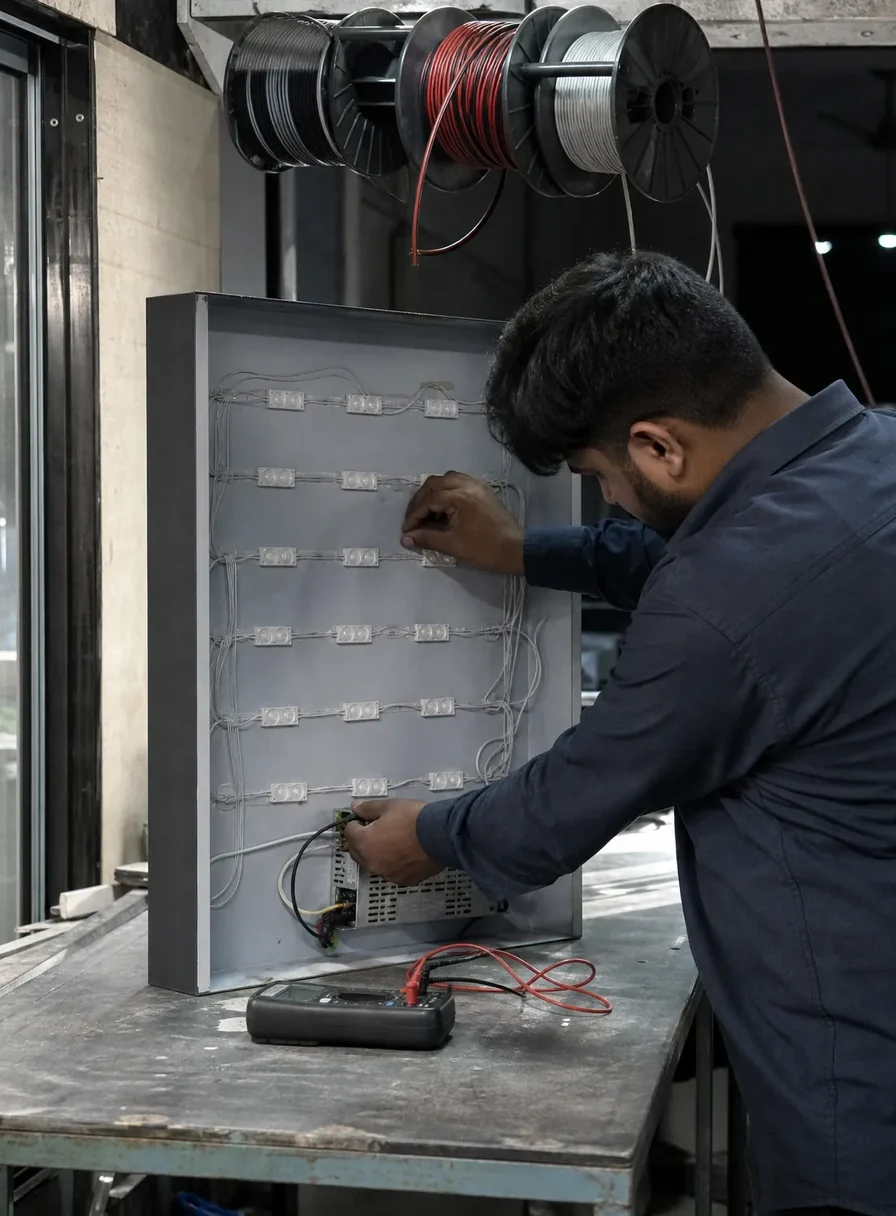
The operator and appointed specialists must approve the work arrangements, access and interfaces before installation. Identify who provides the necessary releases and which activities require specialist involvement. A signage order does not authorise work on fuel equipment, charging systems or an existing electrical installation.
Put the approved access and operating constraints into the programme and quotation. Do not promise that every site can continue trading throughout the work. If conditions change, record the revised scope and obtain the required approval before proceeding. This guide provides no electrical settings, separation distances or technical work instructions.
Close each outlet against its own approved kit
The acceptance record should identify the site, installed item codes, artwork revisions, photographs and outstanding items. Keep appearance and content checks distinct from technical acceptance by the responsible specialist. Record who accepted each part and which documents remain due.
For future replacements, retain the approved file and material reference against the site code. A revised contact panel should not trigger fabrication from an obsolete identity file. Send IBS the outlet list, sign schedule, current artwork and site constraints for a scoped manufacture-and-installation proposal.
Sources
- The October 2024 public-sector marketing guidelines address displayed prices and complaint contacts; cited as dated operator-document context, not a universal compliance checklist. IOCL-hosted Marketing Discipline Guidelines 2024, Sections 1.3 and 1.6
- The September 2024 guidelines address displayed charging rates, service charges and identifying charging facilities through signage. Ministry of Power, Guidelines for Installation and Operation of EV Charging Infrastructure 2024, Sections 10 and 11, BEE copy
Frequently asked questions
What goes into a fuel-station signage rollout package?
Can EV charging signs be included at a fuel outlet?
Who supplies the wording for prices and instruction panels?
Can the same artwork be used at every outlet?
Can signage installation happen while fuel or charging operations continue?
What should we send IBS for a network quotation?


Planning a fuel or EV signage batch?
Share the outlet list, artwork, sign schedule and approval contacts. IBS can review the physical signage package and site interfaces.