 WhatsApp
General contracting · For architects and PMCs
Execution Contractor
for Architects & PMCs
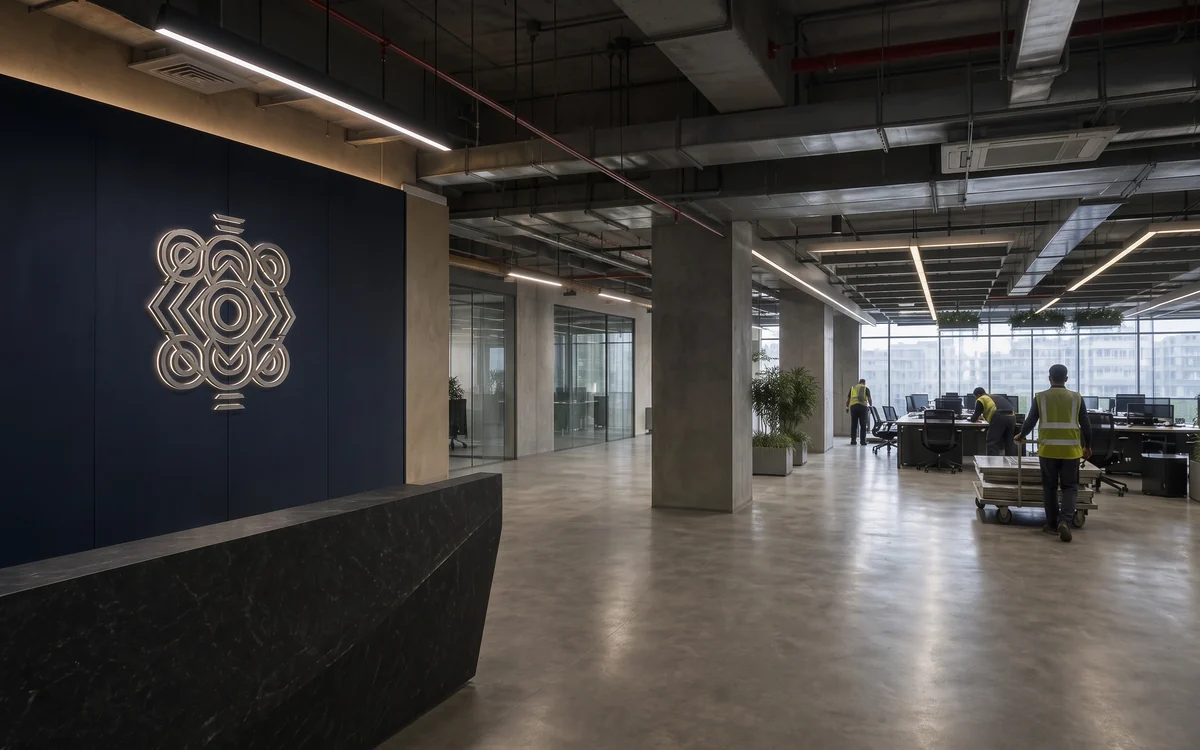
Impulse Branding Solutions builds architects’ designs for large offices, hotels, airports, stations and commercial buildings across India. Civil, MEP, fire fighting, HVAC, interiors and painting are done by IBS’s own engineers and workmen, and furniture is made at its factory near Vasai East. IBS builds to your GFC drawings and does not compete for the design. Single orders executed so far run up to ₹25 crore.
What does IBS do for an architect’s project?
IBS is a contractor, not a design firm. It takes an architect’s GFC drawings and BOQ and builds them with its own civil, MEP, fire fighting, HVAC, interiors, painting and furniture teams, under one contract and one project lead. Shop drawings and samples go to the architect for approval before work starts, and the job closes with snag closure, test certificates and as-built drawings.
What is a GFC drawing?
A good for construction drawing: the approved drawing set the architect issues for building. The Council of Architecture’s practice manual has the architect review the contractor’s as-built drawings against the GFC documents at completion, so the GFC set is the reference every submission is checked against.
What is a shop drawing?
A contractor’s detailed drawing showing exactly how an item will be made and fixed, such as a joinery unit, a ceiling system or a facade panel. The architect reviews shop drawings, product data and samples during construction, which is how design intent survives the move from drawing to site.
What is a defect liability period?
The period after completion during which the contractor must put right any defects at its own cost. It is set by the contract; the public tenders reviewed for this page ran from 12 months to 24 months. The architect certifies when defective work has been rectified.
Scope
What IBS builds in-house on an architect’s project
One contractor across the packages that usually go to five or six separate vendors, each run by IBS’s own engineers and workmen.
Civil and finishes
- Civil works, masonry and partitions
- False ceilings and flooring, including epoxy flooring
- Painting and surface finishes
- Joinery and fixed furniture
MEP and life safety
- Electrical: panels, wiring and lighting
- HVAC
- Plumbing and sanitary works
- Fire fighting: sprinklers, hydrants, detection and alarm
Furniture and branding
- Furniture and joinery made at the IBS factory near Vasai East
- Workstations, reception counters and custom units to your drawings
- Signage, wayfinding and brand graphics from the IBS print branding division
- One contract across every package
Project types
- Large corporate offices and campuses
- Hotels and hospitality
- Airports, airside included
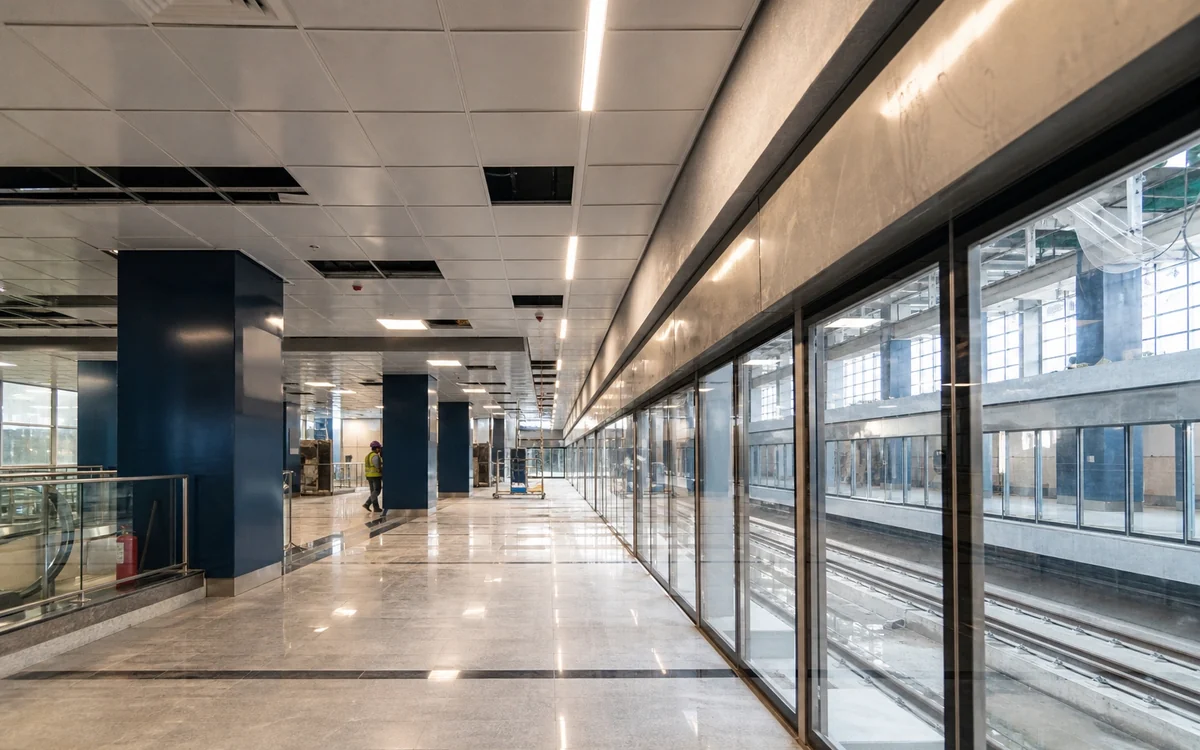
- Metro and railway stations, ports and public buildings
- Hospitals and education campuses
Working with the architect
How IBS works to the architect’s role, stage by stage
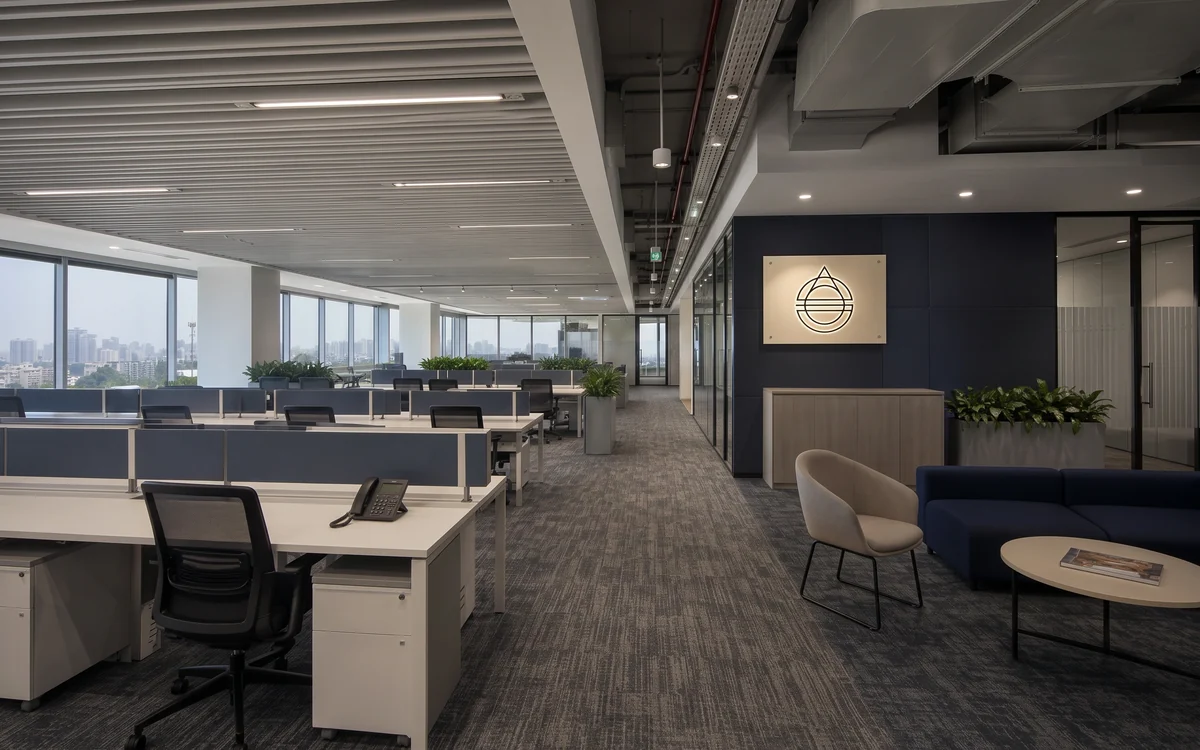
The Council of Architecture’s practice manual sets out what the architect does at tender, during construction and at completion. IBS organises its submissions around the same stages, so nothing reaches site that the architect has not seen.
At tender
- Priced against your BOQ and specification, item by item
- Queries raised in writing before the bid, not after award
- Value engineering offered as alternates for your approval, never as silent substitutions
- Measurement to the mode the tender sets, such as IS 1200 on public works
Before work starts
- Shop drawings for custom and prefabricated items, submitted for approval
- Material samples for approval
- Mock-ups of repeated rooms or bays where the contract asks for them
- MEP coordination, so ducts, trays and pipes are resolved before ceilings close
During construction
- Work to the approved GFC drawings; any deviation proposed in writing first
- RFIs raised in writing and tracked to an answer
- Progress reported to the PMC against the programme
- Quality and safety plans as the contract requires
At completion
- Snag list closed room by room
- Test certificates for every MEP discipline
- As-built drawings for review against the GFC set
- Defects put right through the defect liability period in the contract
Prequalification
What a PMC or procurement team can ask IBS for
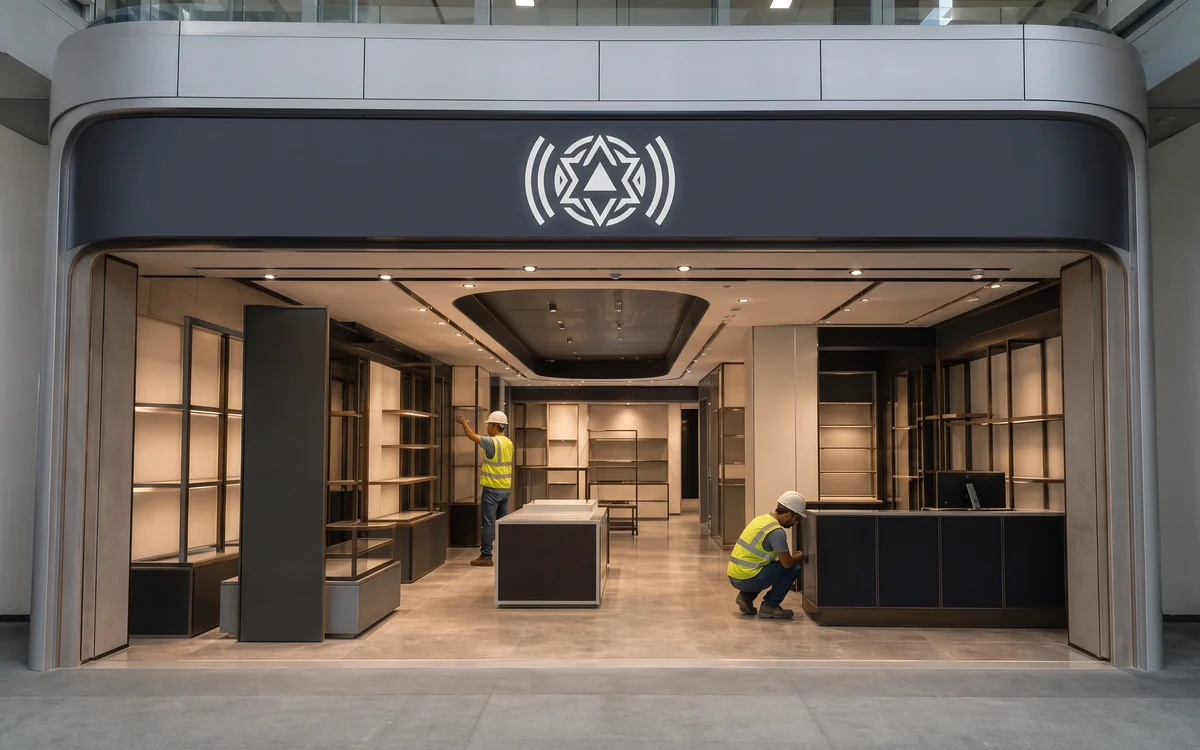
Large projects shortlist contractors on documents before anyone visits a site. IBS shares its prequalification documents with architects, PMCs and client procurement teams on request.
Company and compliance
- All registrations required under Indian law
- Company-level BCAS clearance, covering the entire airport premises including airside
- Approved-vendor status at Adani Airports, HDFC ERGO, Reliance Retail, Godrej Finance, EPSON, Duravit, HSBC, Tata CLiQ, Canon, Aditya Birla Fashion and Retail and HDFC Life
- References from named clients across past projects
Capacity
- Single orders executed up to ₹25 crore
- In-house engineers and workmen for every trade, including fire fighting and HVAC
- Furniture and joinery factory near Vasai East, on the Mumbai–Ahmedabad Highway
- Head office in Mumbai, with delivery across India
Commercial terms
- A line-item response to your BOQ
- Materials as the architect specifies, with alternates offered for approval
- Permits and licences are the client’s to obtain; IBS liaison is available, charged separately
- One contract and one project lead for all packages
What IBS needs to price a tender
- The tender notice or enquiry, with the submission date
- The BOQ, specification and the drawings you can share
- Site location, working hours and access constraints
- Programme targets and any phased handover
- The packages to price: every trade, or selected ones
Sectors
Project types IBS builds, and what each one demands
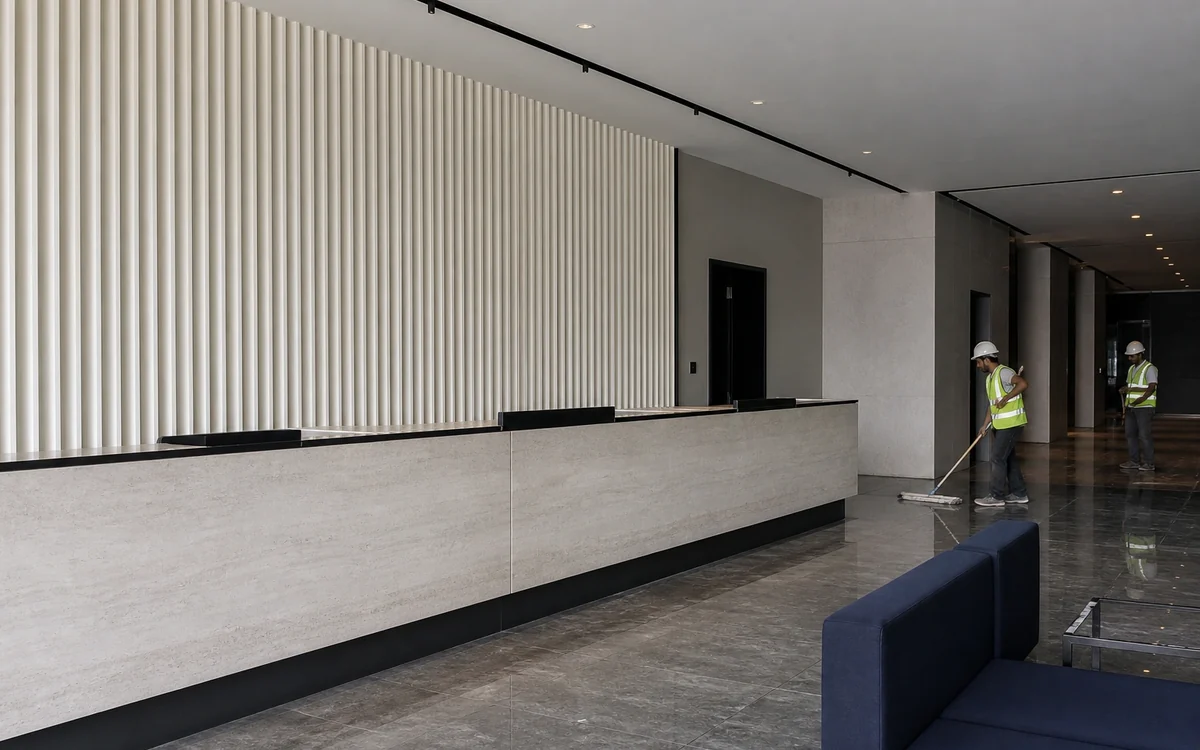
Each building type puts a different pressure on the contractor. These are the ones that decide a shortlist.
Corporate offices
- Workstation, cabin and meeting-room fit-outs with full MEP
- Furniture from the IBS factory, built to the architect’s details
- Brand walls and wayfinding from the same contractor
- Named work: GroupM, Mumbai; WeWork, Mumbai, through sister company RKS Interior
Airports
- BCAS-cleared across the entire airport premises, airside included
- Work planned around live terminal operations and security
- Interior, MEP and branding packages
- Named work: Adani Airports
Hotels
- Guest rooms, lobbies and F&B areas built to the brand’s standards
- A mock-up room approved before repeated rooms roll out
- Furniture and joinery from the IBS factory
- Signage and wayfinding in-house
Stations, ports and public buildings
- Interior, finishing and MEP packages
- Public tenders prequalify on turnover, similar work and registrations
- Large packages are often let through a main contractor; IBS can bid as a package contractor
- Work planned around operating stations and terminals
Market
Where India’s large projects are coming from
The pipeline behind architect-led work, from JLL India and the Press Information Bureau. Each figure is dated and linked in the sources below.
Offices and hotels
- 83.3 million sq ft of gross office leasing in 2025; Mumbai 11.6 million sq ft (JLL India)
- 51,647 branded hotel keys signed in 2025, up 23% (JLL India)
Airports, metro and stations
- 165 operational airports as of 15 July 2026 (PIB)
- About 1,095 km of metro and RRTS across 26 cities (PIB)
- 1,337 stations identified under Amrit Bharat; 180 completed (PIB)
Inviting contractors for a project?
Send the tender notice or enquiry, the BOQ, the drawings you can share and the tender date. IBS returns written queries, a priced BOQ and prequalification documents for your PMC.
Invite IBS to tender
Design-and-build firm, separate trade contractors, or an execution contractor
Three common ways to deliver an architect’s design. The right one depends on who should own the design and how many contracts the client wants to manage.
| Design-and-build firm | Separate trade contractors | IBS as execution contractor | |
|---|---|---|---|
| Who owns the design | The design-and-build firm | The architect | The architect |
| Contracts to manage | One | One per trade | One |
| Interface risk between trades | Sits with the firm | Sits with the client and PMC | Sits with IBS |
| Submissions the architect reviews | Depends on the contract | A separate stream from each trade | One stream across all trades |
| Furniture and signage | Varies by firm | Separate vendors | In-house |
Market Context
What the published data says
- At tender the architect prepares coordinated drawings, specifications and the schedule of quantities, and helps set shortlisting criteria for contractors; during construction the architect reviews shop drawings, samples and RFIs, and at completion reviews as-builts against the GFC documents. Council of Architecture, Manual of Architectural Practice, Vol. 4, Guidelines for Architectural Services and Fees (2022), clauses J to M
- Gross office leasing in India reached 83.3 million sq ft in 2025, with Mumbai at 11.6 million sq ft. JLL India, office market 2025, 15 January 2026
- 51,647 branded hotel keys were signed across 424 hotels in India in 2025, up 23%. JLL India, Hotel Investment Trends in India, 26 May 2026
- India had 165 operational airports as of 15 July 2026, up from 74 in 2014. PIB, 17 July 2026
- About 1,095 km of metro and RRTS lines are operational across 26 cities. PIB, 15 March 2026
- 1,337 stations have been identified under the Amrit Bharat Station Scheme, with works completed at 180. PIB, 12 March 2026
Questions Buyers Ask
Frequently asked questions
Does IBS design, or only build?
Can IBS build our design without changing it?
How does IBS handle value engineering?
Which trades does IBS execute in-house?
What size of project can IBS take on?
Can IBS work inside an operational airport?
Does IBS work under a PMC?
Can IBS be added to our vendor list?
Who obtains permits and NOCs on an IBS project?
Who decides the materials?
How does IBS coordinate MEP with the interiors?
What does IBS hand over at completion?
What is the difference between design-and-build and an execution contractor?
Can IBS bid on public tenders for stations, ports and airports?
Does IBS make furniture for offices and hotels?
Does IBS work outside Mumbai?
Which clients can IBS name?
What does IBS need to price a tender accurately?
How do we invite IBS to tender?
Invite IBS to tender
Send IBS your project
Three short steps: who you are and the project type, the project, then your details. IBS replies within one working day with written queries or next steps, and can send its prequalification documents to your PMC or procurement team.