 WhatsApp

Furniture and Joinery Mock-Ups: Record What Was Accepted
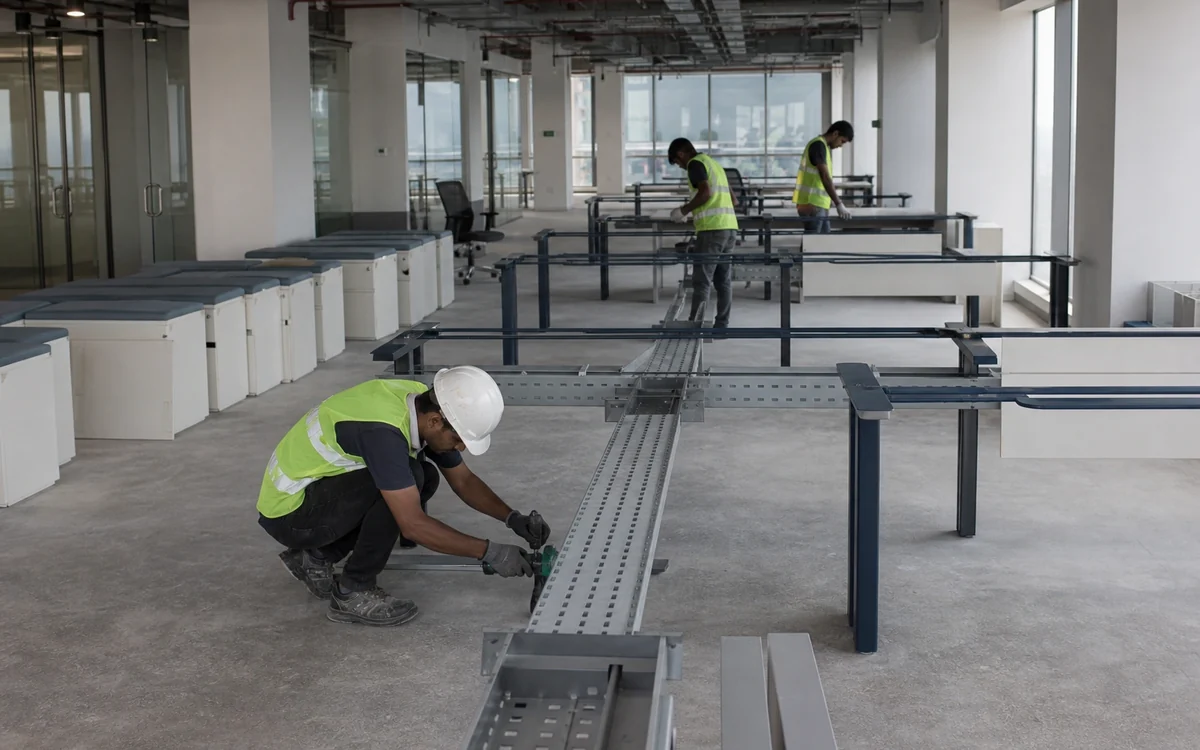
AI-generated representative visual. It is not an IBS client mock-up, signed acceptance or proof of a product test.
A finish sample can settle a colour choice while a drawer, edge detail or service opening remains undecided. Record the accepted feature against a room, item, drawing revision and physical sample reference. Then state what work that decision releases. This proposed CSV helps architects, PMCs and procurement teams keep a mock-up review traceable without turning a general “approved” note into permission to manufacture every related item.
Take a blank record to the review
Download the CSV and agree its use with your project team. Make one row for each reviewed feature or unresolved decision. Several rows can share an item and sample reference when the finish, hardware and installation detail need different reviewers. Enter observations after the review rather than prefill a pass.
This extends the item schedule on the furniture service page. That schedule identifies what is being procured; this record identifies what was actually shown, which revision it represented and how the reviewer disposed of an open issue. It is proposed buyer guidance, with no completed IBS inspection or signed client acceptance embedded in it.
Identify the item before discussing its finish
Write the room or zone, item code and quantity, then link the shop drawing and revision. Identify whether the object is an IBS custom-manufactured item or a bought-in manufacturer/model. Record the sample or mock-up identifier and its construction, including any feature that differs from the proposed production item.
Keep the site-dimension reference visible. A counter reviewed in a workshop can answer an appearance question while a site opening remains unmeasured. Mark that missing dimension as a separate decision instead of assuming the physical object proves its final fit. The authorised technical team determines any loading or fixing review needed.
Look at the edge, the movement and the adjoining work
Write the finish reference and grain or pattern direction. Record the exposed edge/profile, joint and hardware model shown, then identify the observation being made. For a drawer, that could concern the proposed handle arrangement or operation. The project specification and appointed reviewers set the acceptance criteria; this worksheet supplies no universal gap, load or cycle limit.
AWI 100 treats drawings, material information and samples as coordinated submittals. Its manufacturer/supplier section includes hardware identification, representative finish samples and drawing details. It also requires a proposed material or design change to be identified for approval rather than merely inserted into a drawing. Use those communication principles with the requirements your project has actually appointed.
An approved face does not settle every hidden detail
Name the feature reviewed and the conditions under which it was seen. If lighting affects the finish decision, record the relevant location or viewing condition. A photograph reference helps identify the object; keep the physical sample reference and the reviewer’s written decision too.
List what was unavailable: the final hardware, an adjoining panel, the approved service layout or a required technical document. Assign each item to someone who can answer it. Avoid a broad comment such as “match sample” when the sample cannot demonstrate the construction or interface being priced.
| Review state | What the record should identify | Release or follow-up decision |
|---|---|---|
| More information required | Missing drawing, dimension, hardware or product evidence | Name the owner and response date; identify affected work to hold |
| Revision required | Feature and drawing/sample changes requested | Record the new issue required for review |
| Accepted for a defined feature | Finish, edge or operation reviewed against stated criteria | State the limited scope and authority of the acceptance |
| Accepted for a defined release | Current issue and resolved conditions for the specified work | Link the approval reference and authorised next stage |
| Superseded | Earlier sample or decision replaced by a later issue | Retain its history and identify the current reference |
These are proposed record states. The contract and authorised project team determine approval authority and whether work may proceed.
Keep the hold attached to the affected item
An unresolved choice needs an owner, a due date and a defined consequence for manufacture or installation. Identify which item, quantity or room is affected. A hold on a reception counter’s service opening should be visible against that counter, without silently blocking an unrelated table or releasing the unresolved detail.
When the answer arrives, reference the revised drawing or product submission and the decision it replaces. Retain the earlier observation. A short change note should explain whether the accepted finish remains valid or must be reviewed again, so the next reviewer can follow the sequence without reconstructing it from messages.
Carry the decision into procurement and installation
For custom furniture, connect the released drawing and sample to the manufacture/dispatch instruction. For bought-in furniture, identify the actual model, finish, supplier and order reference. Approval of a custom mock-up does not establish a bought-in product’s availability, warranty or performance; obtain the documents for the intended purchase.
At installation, link the item to its room and receiving/acceptance record. Inspect the features and interfaces required by the contract, and list any outstanding work with its owner. Keep mock-up acceptance, factory checks and site acceptance identifiable as separate records, even when the same project lead coordinates them.
Send the issue that the maker is expected to build
IBS manufactures custom commercial furniture and joinery near Vasai East and can review agreed bought-in procurement separately. Share the item schedule, drawings and revision, finish/edge/hardware references, location, item count and target date. Include the approver and open decisions. That gives the scope review a defined object and a visible decision trail.
Sources
- AWI 100 describes coordinated drawings/material/sample submittals and separate identification of proposed changes. Used as a technical communication reference; no AWI certification, mandatory Indian adoption, sample size or tolerance is claimed. Architectural Woodwork Institute, AWI 100 Submittals, section 3.2; read 25 November 2026
Frequently asked questions
What is the difference between a finish sample and a furniture mock-up?
Does approving a mock-up release all furniture for manufacture?
Who should accept the furniture mock-up?
How should we record an unresolved edge or hardware choice?
Can a bought-in chair use the same acceptance record?
Does the worksheet set joinery tolerances or certify performance?
What should we send IBS for a furniture or joinery review?



Have a furniture issue to review?
Send the drawings, item schedule or count, location and target date. Include finish/edge/hardware references, custom versus bought-in items and the decisions still open.