 WhatsApp

Fleet Vehicle Branding: Survey, Release and Replacement Records
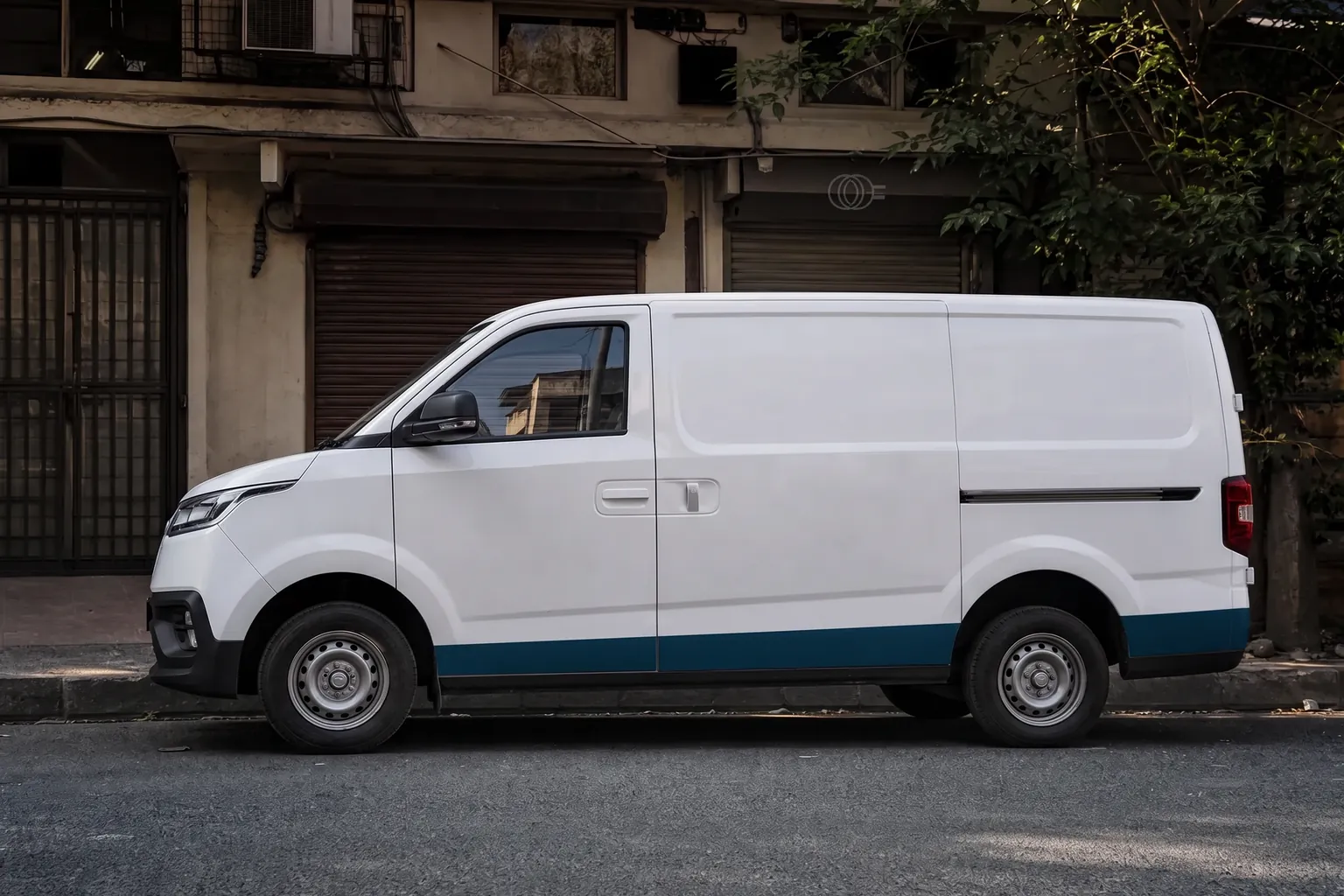
AI-generated representative visual. No completed client project, approved sample or signed buyer record is shown.
A fleet list needs more detail than the number of vehicles. Body variants, repaired panels, old graphics and depot availability can change what is ready for branding. Build the proposal around identifiable vehicles and approved artwork versions, then keep those references through installation and replacement. The blank worksheet below is proposed buyer guidance. No IBS fleet client, measured outcome, completed survey or adopted production procedure is claimed in this guide.
Start with vehicle identity and the work required
Use one row for each vehicle or a clearly defined survey group, keeping a reference that the operator can match to its fleet register. Record the make, model, body variant and relevant panel layout. A long-body van, an altered door arrangement and a standard body should not silently share an artwork or quantity assumption.
Keep sensitive owner and vehicle documents in the agreed project channel rather than the public worksheet. The blank sheet needs working references, not copies of identity documents. Mark each row as awaiting survey, review or release so an incomplete fleet list cannot be mistaken for an installation instruction.
Price defined coverage on each body variant
Identify whether the brief covers selected panels, a partial graphic scheme or a fuller wrap. Attach a marked-up elevation and record the doors, recesses, handles, trims and adjoining panels affecting that coverage. Ask the supplier to confirm the survey information needed before artwork is treated as print-ready.
Use a variant schedule for quotation and a vehicle record for release. That keeps a common brand design connected to the actual body being worked on. If an operator substitutes a different vehicle, review its variant and condition before using the same kit. Identical branding intent does not establish identical panel dimensions.
| Record | Information to retain | Release question |
|---|---|---|
| Vehicle variant | Body layout and measured/photo references | Does the artwork fit this body? |
| Receiving surface | Paint, repair and existing-graphic observations | Is further assessment or preparation required? |
| Graphic construction | Film/print/protection and artwork issue | Is the proposed system approved for this use? |
| Depot availability | Vehicle slot, work area and return-to-service contact | Is the vehicle and location released? |
| Replacement reference | Installed issue, affected panel and later changes | What must be reviewed before a reprint? |
These proposed fields are not a manufacturer inspection form, approval result or completed IBS fleet record.
Survey paint and existing graphics before release
Ask the surveyor to record visible damage, repairs, uncertain coatings and existing graphics with location-specific photographs. State who will assess doubtful areas and who can authorise any preparation or repair. A clean-looking vehicle does not establish that every receiving panel is suitable for the proposed film.
3M’s Application: Vehicles bulletin, Revision D of October 2026, recommends a pre-installation record for each vehicle and identifying potential problem areas. Use the selected product’s current guidance and an agreed survey scope. The proposed buyer sheet does not reproduce a manufacturer pass/fail test or replace the installer’s product-specific assessment.
Connect artwork approval to the actual graphic construction
Record the proposed film, ink/print route and any protective layer, along with the artwork revision for each variant. Ask the supplier to identify suitability for the actual panel shapes and application conditions. A brand colour file, a film swatch and a finished printed sample answer different questions; state which reference is being approved.
Keep copy, logo placement, panel joins and any excluded areas on the reviewed artwork. Where information changes by depot or vehicle, identify those editions separately. A later telephone-number change should trigger a new issue reference instead of leaving several versions described as the latest design.
Assign operator permissions and restricted areas
The client/operator identifies and obtains the permissions and approvals needed for its vehicles and proposed graphics and pays the fees. Record the person confirming any required review, with the areas that the authorised team excludes from coverage. IBS drawings or liaison support are separately agreed and charged.
This proposed record covers graphics on vehicle body panels and excludes vehicle glazing. The client/operator’s authorised fleet, leasing and technical teams confirm the permitted treatment for the actual vehicle class before release. Keep their written decisions with the record; a supplier’s general service description is not an approval.
Plan vehicle availability and return to service
Record the depot, vehicle slot, work-area conditions and operator contact for each release. Ask who provides a ready vehicle, who resolves failed readiness and how a missed slot is rescheduled. Keep these arrangements separate from print completion; a finished graphic kit does not mean the vehicle is available.
The proposed sequence should identify any survey hold, preparation, existing-graphic removal, application, inspection and return-to-service decision. Confirm the actual timing with the installer and selected product requirements. No standard number of vehicles per day or universal downtime allowance is prescribed here.
Keep the installed reference with handover and care notes
At acceptance, record the vehicle reference, installed artwork issue, product construction, permitted photographs, outstanding items and accepting person. Agree how faults will be reported and which written workmanship or product terms apply. The record should make an individual panel identifiable without making a blanket claim about the entire fleet.
Ask for the selected product’s cleaning and inspection guidance and pass it to the operator’s maintenance contact. Keep later repair or repainting decisions linked to the same vehicle. A campaign graphic may need review after bodywork even when the original artwork has not changed.
Price replacement from the installed record, not memory
For a damaged panel or later campaign, identify the vehicle, affected area and installed issue before ordering. Ask whether the surrounding graphics, current condition or available material require further review. An original reference helps define the intended match; it does not guarantee that an aged panel and a new print will appear identical.
3M’s Removal bulletin explains that poor original substrate condition and later exposure can affect removal and damage risk. Agree the removal assessment and making-good responsibility for the actual vehicle. Send IBS the vehicle variants, quantities, depot locations, condition photos, coverage brief and target dates to discuss a scoped survey and production proposal.
Sources
- Vehicle-specific pre-installation inspection records and documentation of potential surface problems. Revision D, October 2026, pages 3 and 17–18; read 25 November 2026. No IBS inspection adoption, pass result or throughput is inferred. 3M, Application: Vehicles
- Substrate condition and exposure can affect removal and damage risk; product-specific guidance remains relevant. Revision A, December 2024, page 3; read 25 November 2026. No damage-free removal or paint-protection promise is adopted. 3M, Removal Instruction Bulletin
Frequently asked questions
Can we use one artwork file for every vehicle in a fleet?
What should a vehicle-branding survey record?
Does wrapping protect paint or guarantee clean removal?
How many vehicles can IBS brand in a day?
Who checks whether the proposed vehicle graphics are permitted?
Can we replace one damaged graphic panel later?
What evidence does this guide provide about IBS fleet projects?


Preparing a vehicle-branding brief?
Share vehicle variants, quantities, depot locations, condition photos, the intended coverage and target dates. Identify approval and survey holds before asking for a programme.