 WhatsApp

Cafe and Restaurant Chain Signage: The Opening Release Sequence
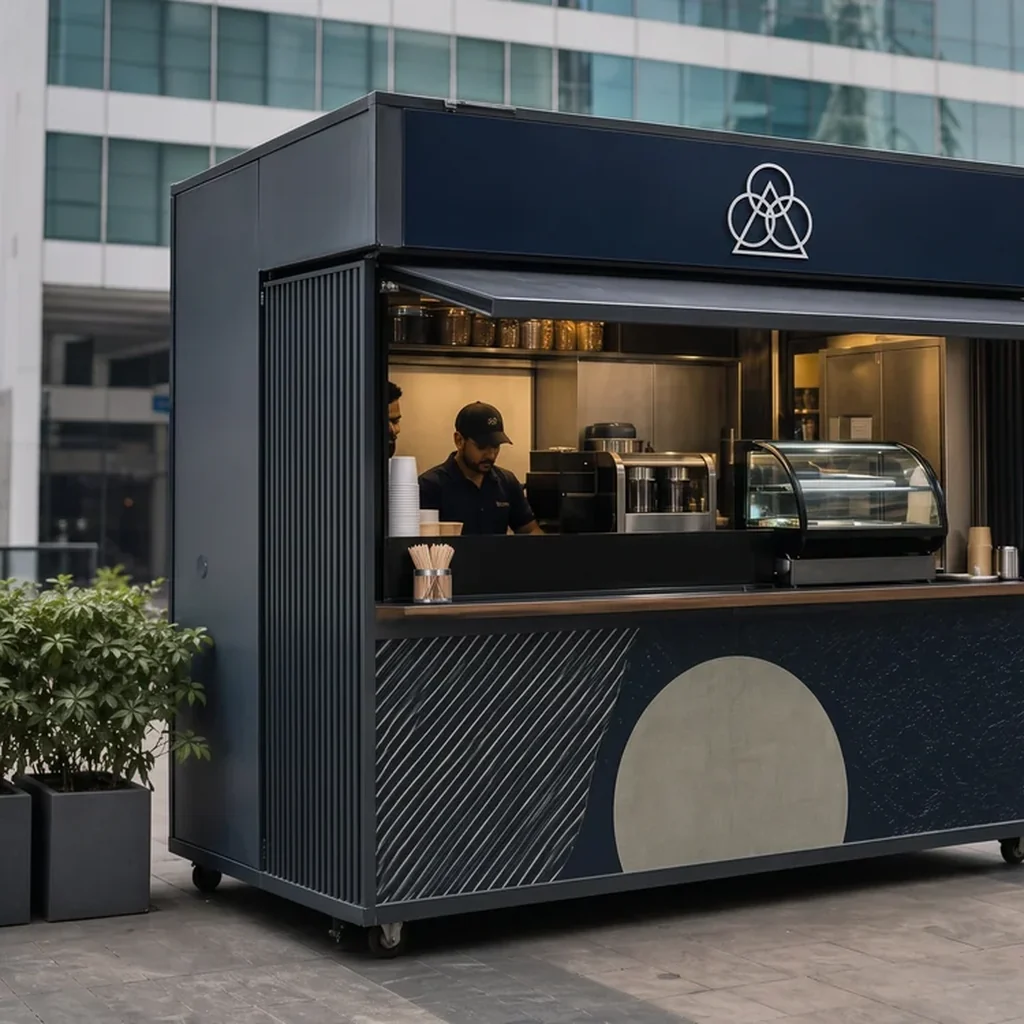
AI-generated representative cafe visual. It is not a photograph of a named IBS restaurant or QSR project.
For a cafe or restaurant chain opening, release the sign package through clear decisions: confirm the outlet format, survey the site, approve the artwork, clear fabrication and agree installation readiness. Quick-service restaurants, or QSRs, need the same explicit release decisions. Keep menus and opening messages on their own approval path, with a named owner for anything still held.
Start by separating the repeat kit from the local site
A cafe, a food-court counter and a takeaway outlet may share a brand but need different sign arrangements. Identify the format before copying the previous outlet’s order. List the fascia, menu, counter, glass, wall and directional items that belong to that format.
Tata’s January 2025 feature on Starbucks Experiential Stores distinguishes common brand elements from locally specific store experiences. For a signage brief, decide what repeats and what the local design may change. That is a public design example, not an IBS project reference.
Release 1: confirm the frontage and receiving surfaces
Measure the sign area, doors, glazing and interior locations. Photograph the receiving surfaces and record obstructions. Confirm where the menu will be viewed, where customers order and where they collect. Include the property team’s approved sign location and access arrangements in the site issue.
Wall and glass graphics need the actual surface condition, not just a width and height. Record preparation, old-film removal or making-good work in the scope. Follow the selected material’s application instructions rather than assuming every printed graphic suits every wall.
Release 2: approve identity and menu content separately
The brand team can approve the fascia while menu prices or product names are still changing. Give each its own artwork code and approval owner. Identify the operator-approved content and language variants for that outlet, then record the revision that production is allowed to use.
Keep temporary opening promotions separate from permanent identity. A late promotional change should affect the relevant graphic rather than reopen an already approved fabricated sign. This guide covers physical signage release, not the outlet’s licensing or food-information requirements.
Release 3: clear manufacture against a complete item
For each item, approve the dimensions, artwork, material, finish and fixing arrangement. For a lit sign, include the lighting and power interface. Ask for the sample or prototype the project needs before repeating the item across the opening batch.
IBS makes print and fabricated signage in-house. A usable manufacturing release connects the approved file to the physical specification. It should also identify items still on hold so dispatch planning does not treat an unfinished menu board as ready with the fascia.
Release 4: check site readiness before dispatch
Ask the project team to confirm finished mounting surfaces, the relevant power provision and the work window. Check that access equipment can enter and that the signs can be stored safely if another trade delays installation. Identify who will receive the consignment.
Use a readiness note with these fields: outlet and item codes; approved revision; receiving surface complete or held; power interface; access window; receiving person; open issues and decision owner. The note is a proposed release tool, not a guarantee that every site will be ready on its planned date.
Release 5: inspect the complete customer-facing package
Walk the route from approach to order and collection. Check the installed fascia, menu, glass graphics and relevant interior signs against the approved issue. Test illumination where specified. Record defects and missing items, rather than accepting the package from a photograph of the front sign alone.
For an operating-outlet refresh, agree customer separation, retained-surface protection and the changeover window with operations. Remove obsolete promotional graphics where included in the order. Record when the new menu or message becomes the released version.
Keep a replacement record after the opening
Retain item codes, sizes, material references, approved artwork, installation photographs and agreed warranty terms. Link later menu or campaign changes to the outlet record. A replacement request can then identify what is being replaced instead of asking the supplier to guess from an old image.
For the next opening batch, send IBS the outlet formats, locations, sign schedule, artwork status and project dates. Include the items still awaiting survey or content approval. We can discuss an itemised manufacture and installation package with those open decisions visible.
Sources
- A public store-design example distinguishing shared brand elements from locally specific experiences. Published January 2025; it is not an IBS project reference. Tata group, Ordering an Experience
- Preparation guidance for graphics and the requirement to consult the chosen film’s substrate recommendations. Read 25 November 2026. 3M, Application: Substrate Selection and Preparation
Frequently asked questions
What signage should a cafe chain include in its opening brief?
Which sign board is best for a restaurant frontage?
Can menu boards be updated without replacing the fascia?
Can a kiosk use the same sign kit as a full-size cafe?
When should restaurant signage enter manufacture?
What should we send IBS for a chain rollout?
Opening or refreshing a cafe format?
Share the outlet list, sign schedule and artwork status. Include the dates and any site or menu approvals still outstanding.