 WhatsApp

Office Wall and Glass Branding: The Surface-to-Approval Record
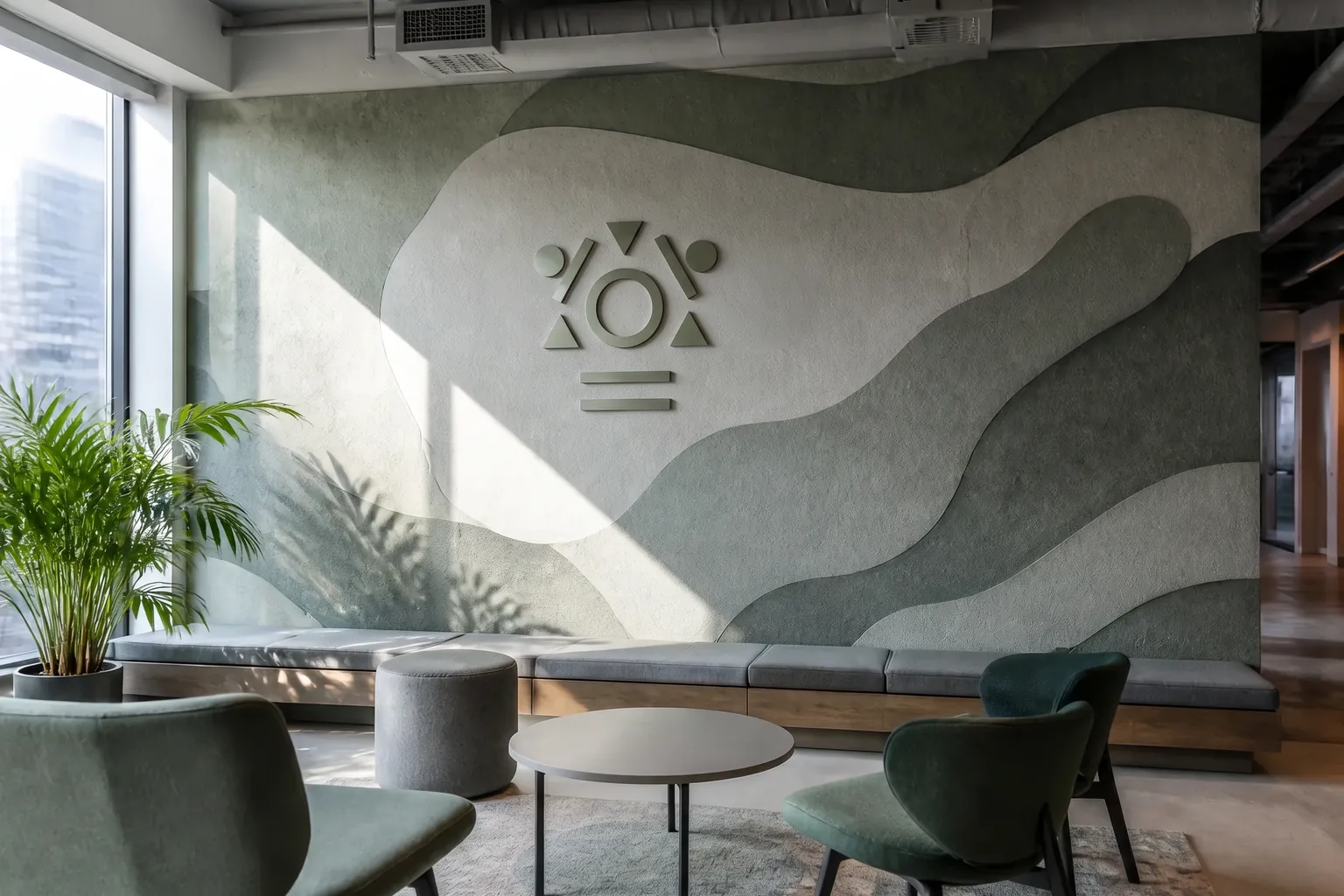
AI-generated representative visual. It does not depict an approved IBS sample, a completed client installation or an actual site trial.
An artwork approval does not settle whether a film suits a painted wall or whether a glazed meeting room provides the intended privacy. Give every surface an identifier, then connect that identifier to the proposed product, trial, sample and named approval. The downloadable record below helps facilities, brand and procurement teams collect those decisions before a production release. It is a proposed buyer worksheet to adapt with the appointed professionals, not an IBS-approved operating procedure.
Start with one row for each surface and decision
Download the blank CSV and save a working copy for your project. Use a separate row where the substrate, product, lighting or approval condition changes. A reception wall and a glass door should not share an acceptance decision merely because they use the same artwork.
The worksheet groups survey information, sample or trial evidence, release decisions and handover notes. Agree the fields with the client, installer and product supplier. Blank cells are uncollected information; they are not a pass. Keep photographs and technical documents in your project folder and enter their references in the record.
Describe the surface behind the graphic
Record the wall finish, existing coating or film, visible damage and photograph reference. Identify recent decoration, repairs or uncertainty for the responsible team to resolve. For glass, identify the panel and application side, existing film and intended clear areas. Record the proposed product code and print/laminate combination rather than writing only “vinyl”.
3M’s Substrate Selection and Preparation bulletin directs users to the chosen film’s product bulletin for substrate recommendations. That supports a product-specific review. The worksheet does not choose a film, prescribe surface treatment or set a universal drying period.
State what the trial can establish
Before a trial, agree its location, method reference, proposed material and decision owner. Record the conditions, observation date, result and unresolved items. A printed sample can answer an appearance question while leaving adhesion suitability open.
The 3M bulletin describes limitations of its smooth-surface adhesion test: it does not predict removal performance and cannot detect every pre-existing wall variation, including a weak paint-to-wall bond. Do not turn a satisfactory sample into a promise of damage-free removal. The supplier or appointed specialist should identify the applicable product checks.
Review glass graphics under the intended lighting
Write down the result wanted from the glass: branded appearance, screening, a view through the panel or a combination. Check the proposed sample from agreed viewpoints under relevant operating conditions. Daylight acceptance alone may leave an evening privacy question unanswered.
Clear Focus’s perforated-film guidance explains that one-way visibility depends on relative lighting and recommends testing under the actual lighting conditions. Its night-time example allows visibility into a brighter interior. This is a reason to record the product and conditions, not a promise that every perforated or frosted film behaves alike.
Keep partial approval visible
These fictional entries show how the record separates decisions. They are illustrative only, not IBS test results, client approvals or permission to proceed.
| Surface reference | Illustrative evidence | Open decision / status |
|---|---|---|
| W01: reception wall | Artwork revision agreed; product-specific trial outstanding | Hold production for the trial decision |
| G01: meeting-room glass | Sample appearance reviewed in daylight | Hold privacy approval until intended evening conditions are reviewed |
| W02: corridor wall | Client sample reference recorded; access window unresolved | Agree installation access separately |
| G02: entrance panel | Artwork changed after the sample review | Identify the revised sample and obtain the relevant reapproval |
The appointed approval owner decides release against the agreed scope. A completed row does not certify the building or product system.
Release the approved combination to the available site
Identify who prepares the receiving surface and who confirms readiness. Record the occupied-office access window, working area and site contact. Keep these arrangements separate from visual approval so a production team can see whether manufacture and installation are each authorised.
The release reference should identify the surface, artwork revision, product/sample reference and approver. If a product, laminate, surface treatment or artwork changes, ask which approval must be repeated. Do not silently carry an old acceptance to a different combination.
Keep cleaning and removal decisions with the installed item
At handover, link the installed photograph and outstanding items to the surface identifier. Retain the selected product’s cleaning guidance and the agreed removal or making-good responsibility. The future facilities team needs these references when a department moves or a campaign changes.
IBS can scope wall graphics and glass branding from surface photographs, dimensions, artwork and the intended result. Share the worksheet even where decisions remain open. Identify who will approve trials and samples, and request an itemised production and installation proposal for the actual surfaces.
Sources
- Product-specific substrate guidance and the limits of smooth-surface adhesion testing, including removal and pre-existing wall conditions. Revision A, December 2024, pages 1 and 10; read 25 November 2026. 3M, Application: Substrate Selection and Preparation
- Relative lighting affects perforated-film visibility; the manufacturer recommends review under actual lighting conditions and describes the brighter-interior night-time limitation. Read 25 November 2026. Clear Focus Imaging, Lighting guidance
Frequently asked questions
How should a project team use this worksheet?
Can one approval cover every wall in an office?
Does an adhesion test guarantee clean removal later?
Will one-way vision film give privacy after dark?
What should we send for a wall or glass branding quotation?


Preparing office wall or glass graphics?
Share surface photos, dimensions, artwork and the intended result. Include open sample decisions and your installation window so the enquiry reflects the actual site.