Comparisons
What is the difference between frontlit and backlit flex?
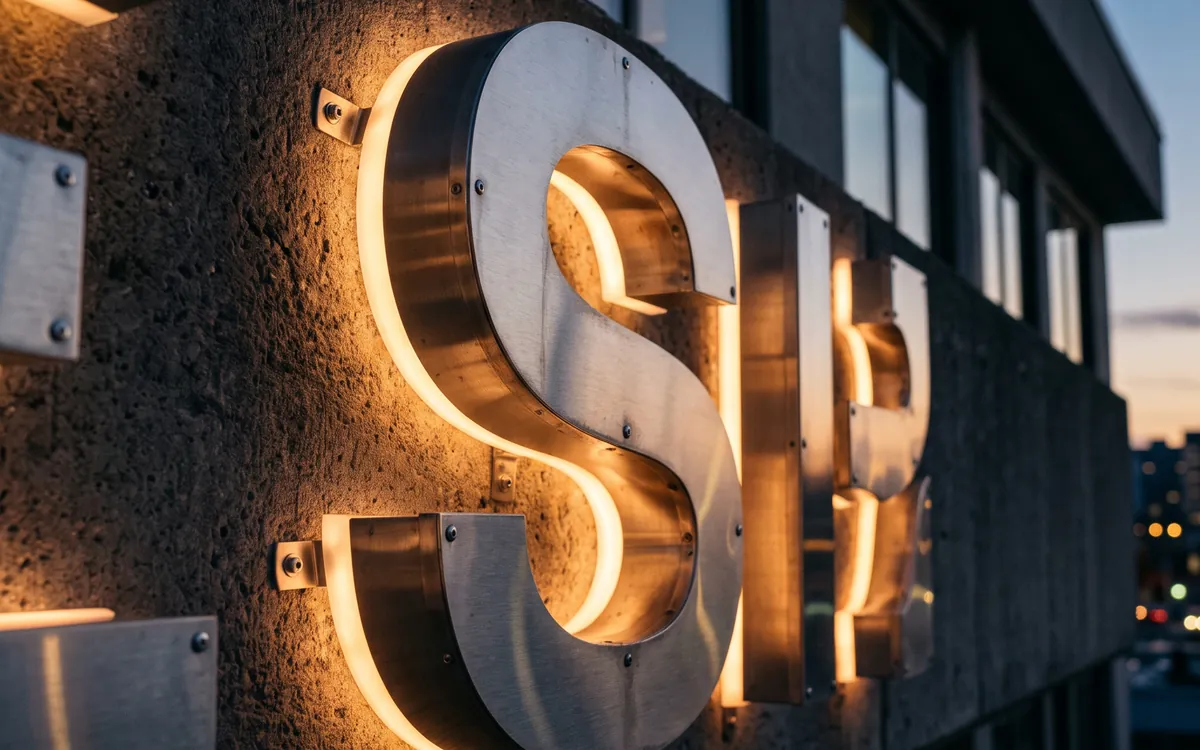
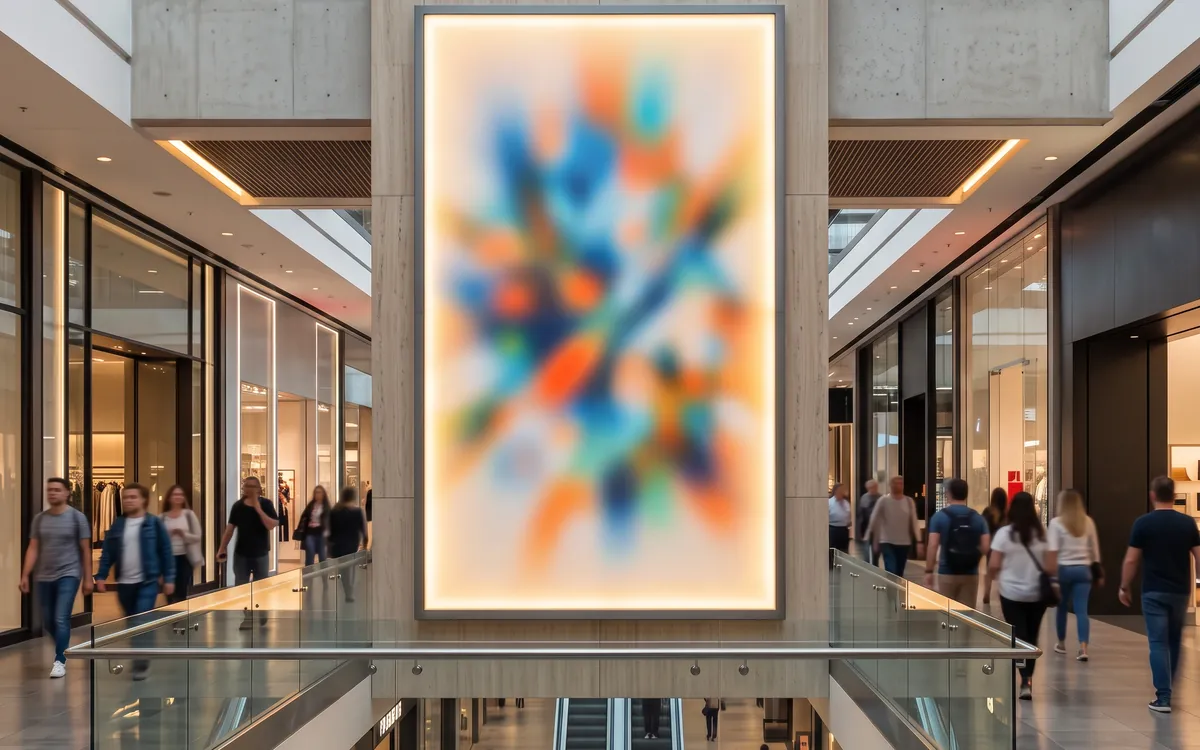
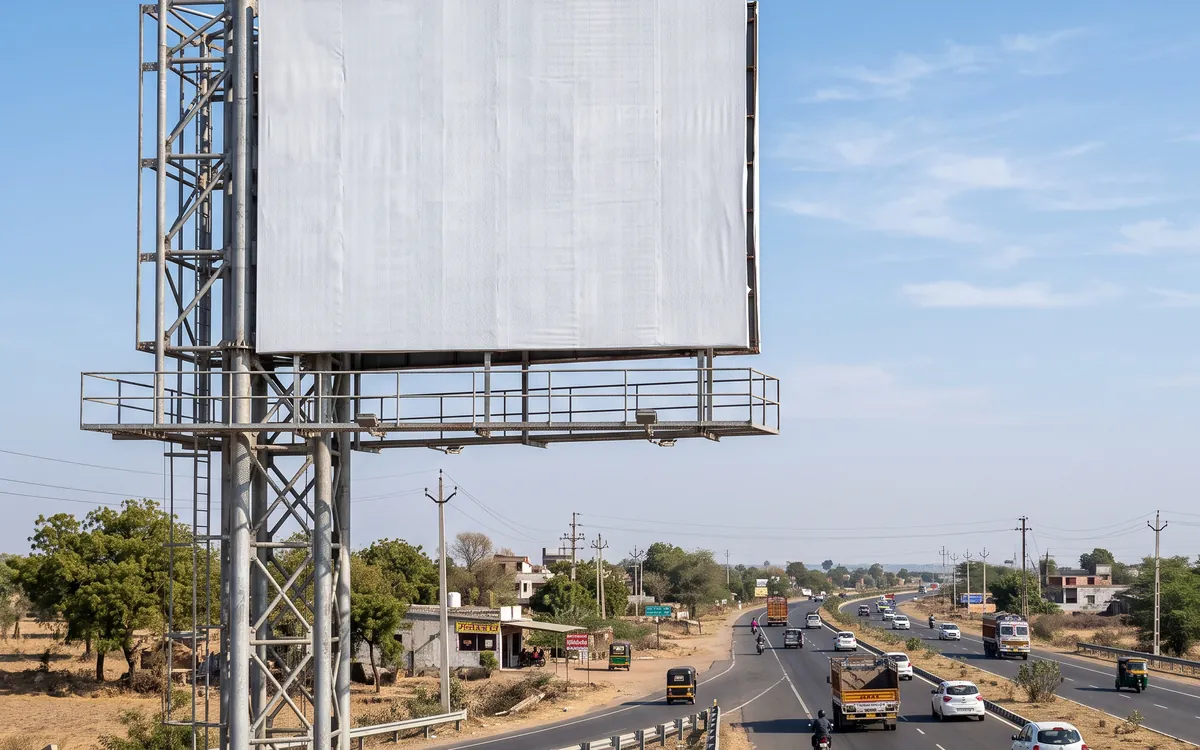
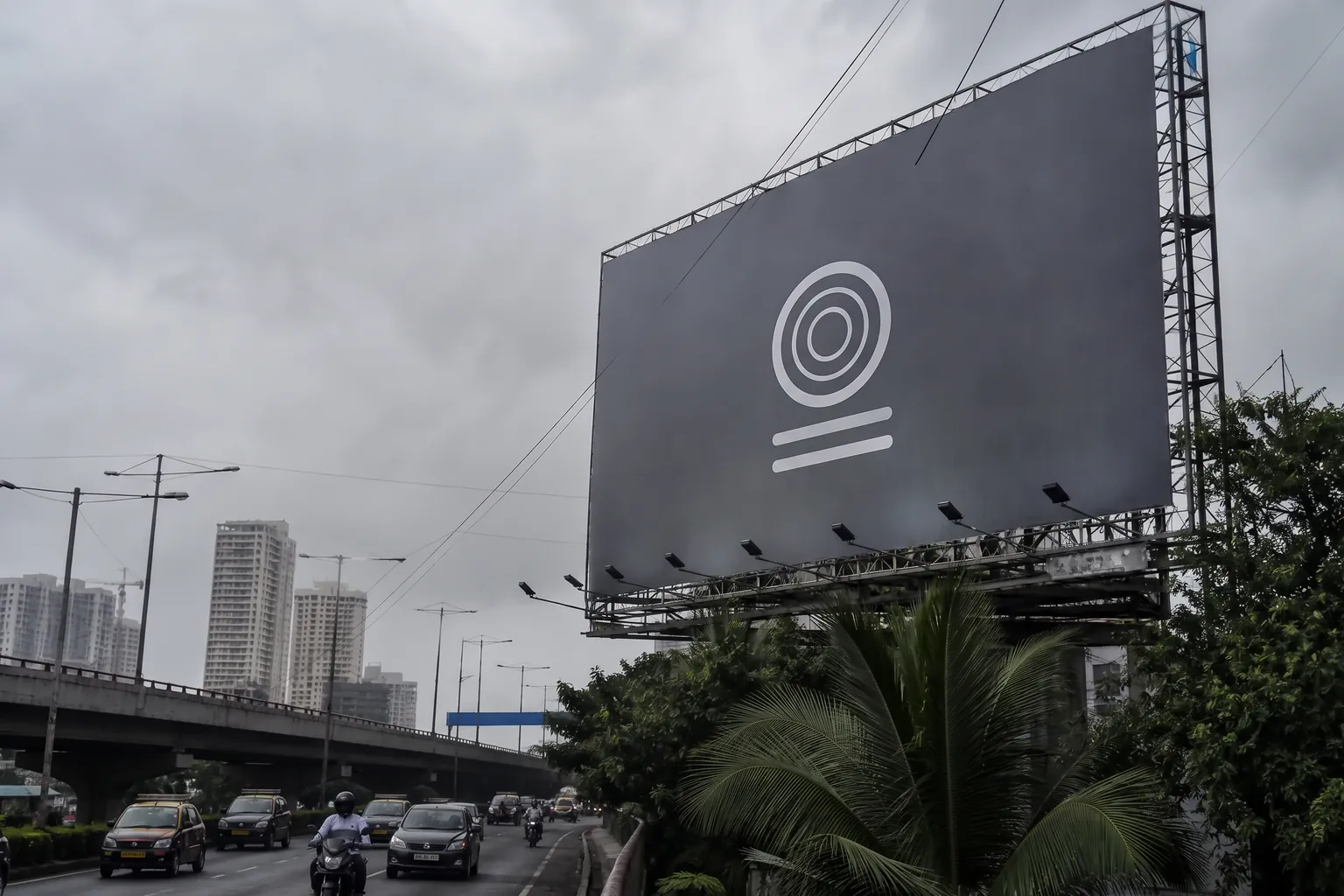
Frontlit flex is single-coated material designed to reflect external light, used for hoardings lit by external spotlights, the standard outdoor workhorse. Backlit flex is heavier double-coated material designed for light to pass through evenly from behind, for illuminated lightbox structures. Backlit is heavier (around 450 GSM) and produces a even, saturated lit appearance. IBS prints both.
What is the difference between flex printing and wide-format printing at IBS?
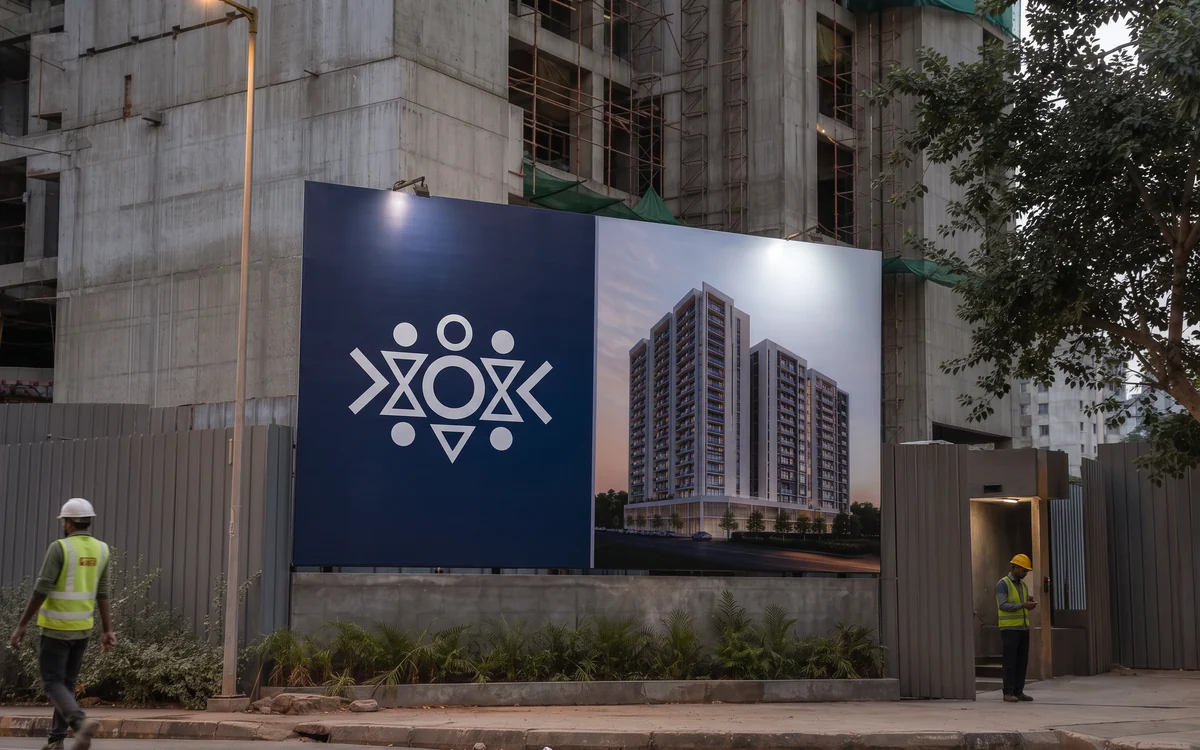
They overlap, with a focus difference. Flex printing is the material-and-volume line, frontlit, backlit, mesh, and fabric banner grades and high-volume bulk banner production. Wide-format printing is the large-scale outdoor line, building wraps, billboard-scale graphics, and mega façade work. For a bulk run of banners and hoardings, flex is the line; for a full building wrap, wide-format. IBS runs both in-house and will point you to the right one.
Technical
What is flex printing?
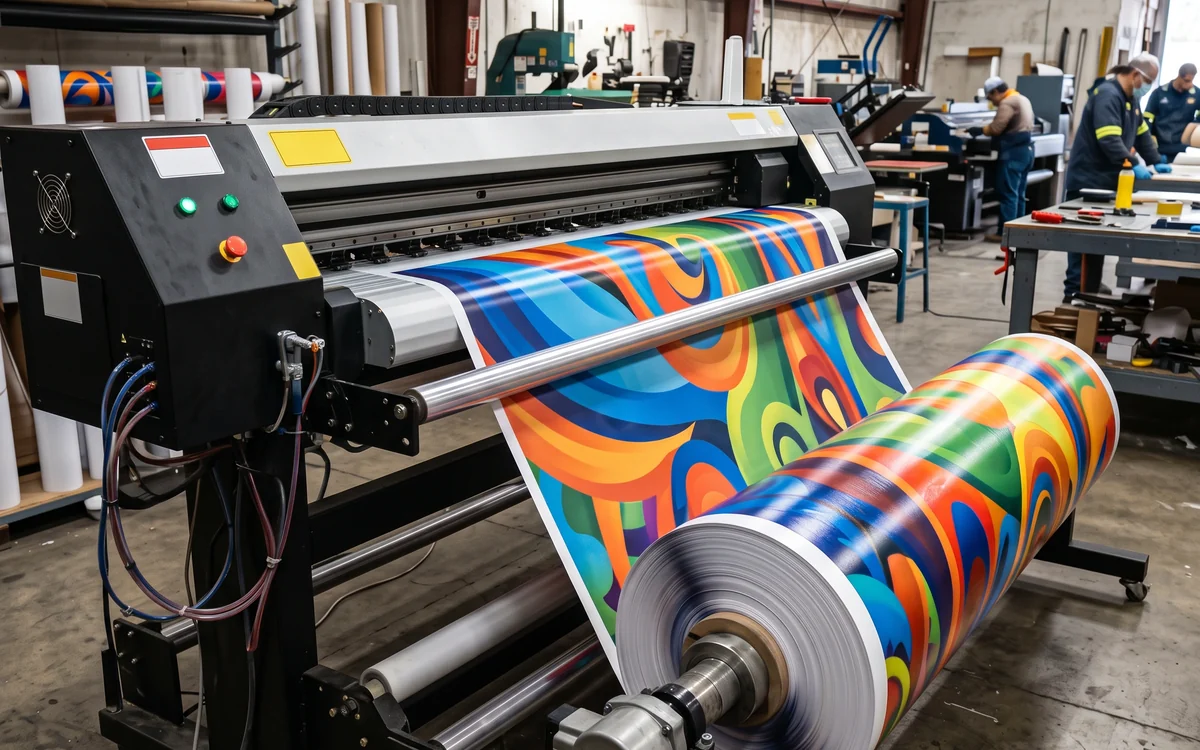
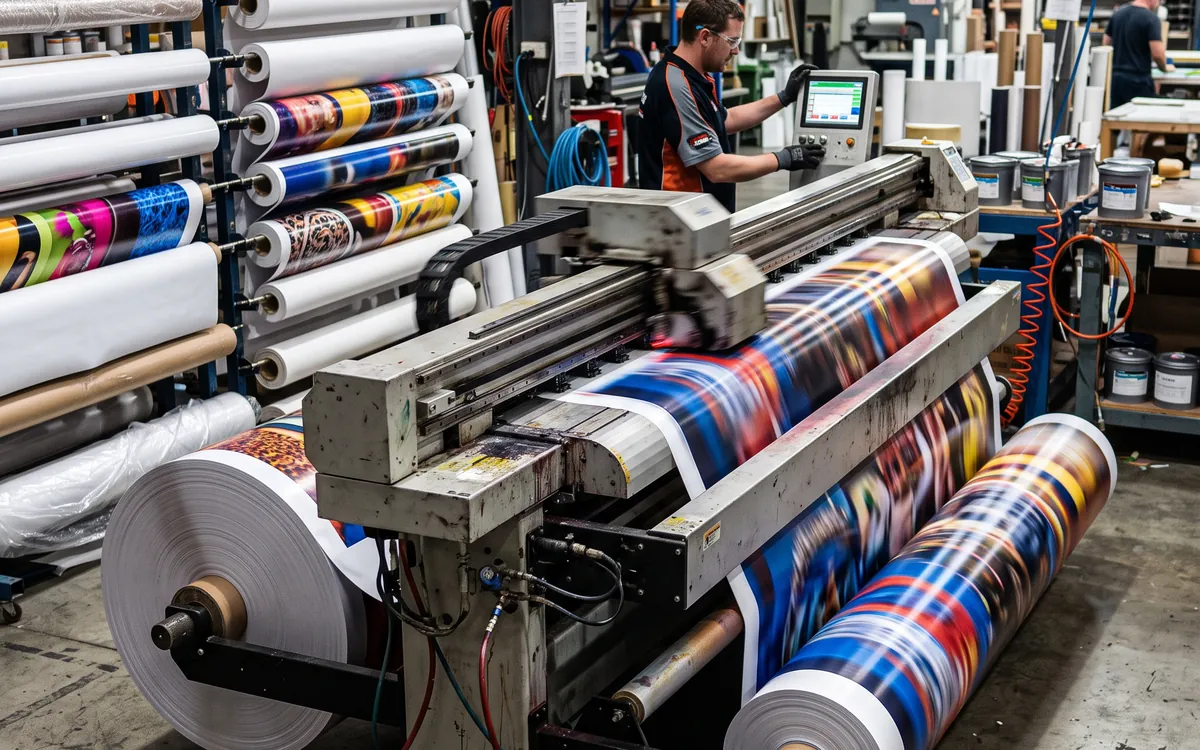
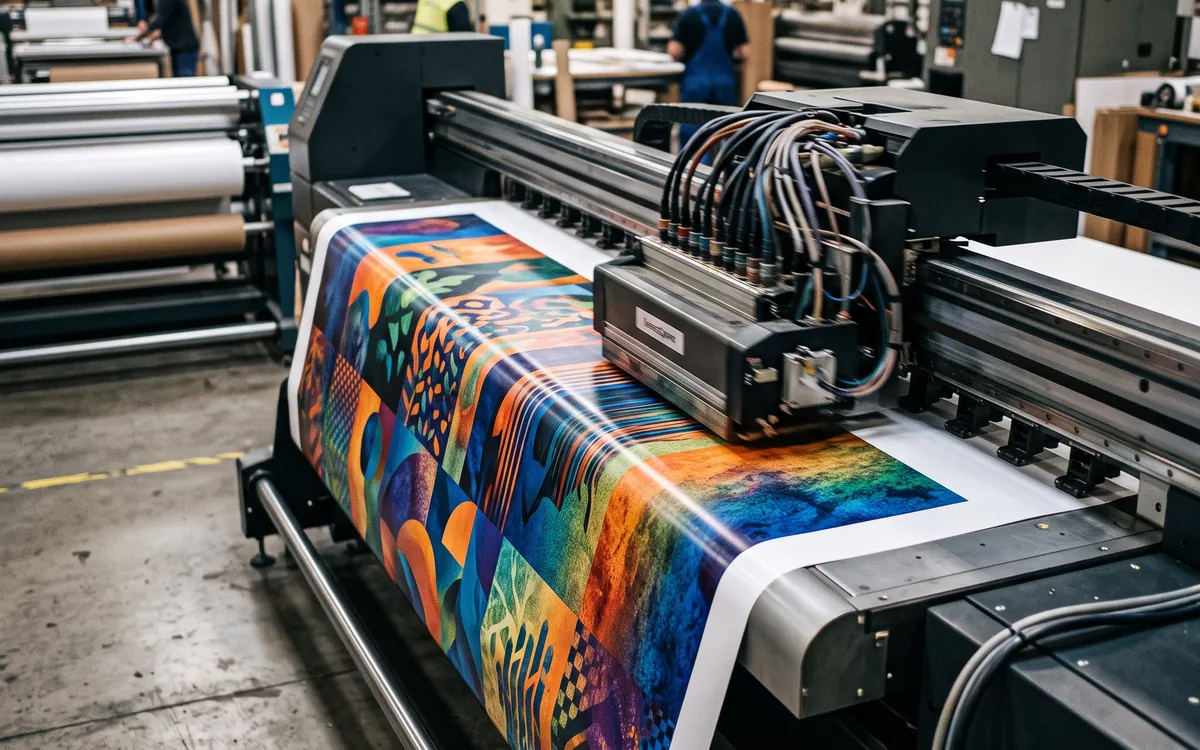
Flex printing is large-format digital printing on flex banner media, coated PVC banner material printed with solvent or eco-solvent inks, the most cost-effective medium for high-visibility outdoor and event branding in India. It covers hoardings, banners, site boards, backdrops, and illuminated faces. IBS prints frontlit, backlit, mesh, and fabric flex in-house at volume.
Is there a minimum order quantity for flex printing?
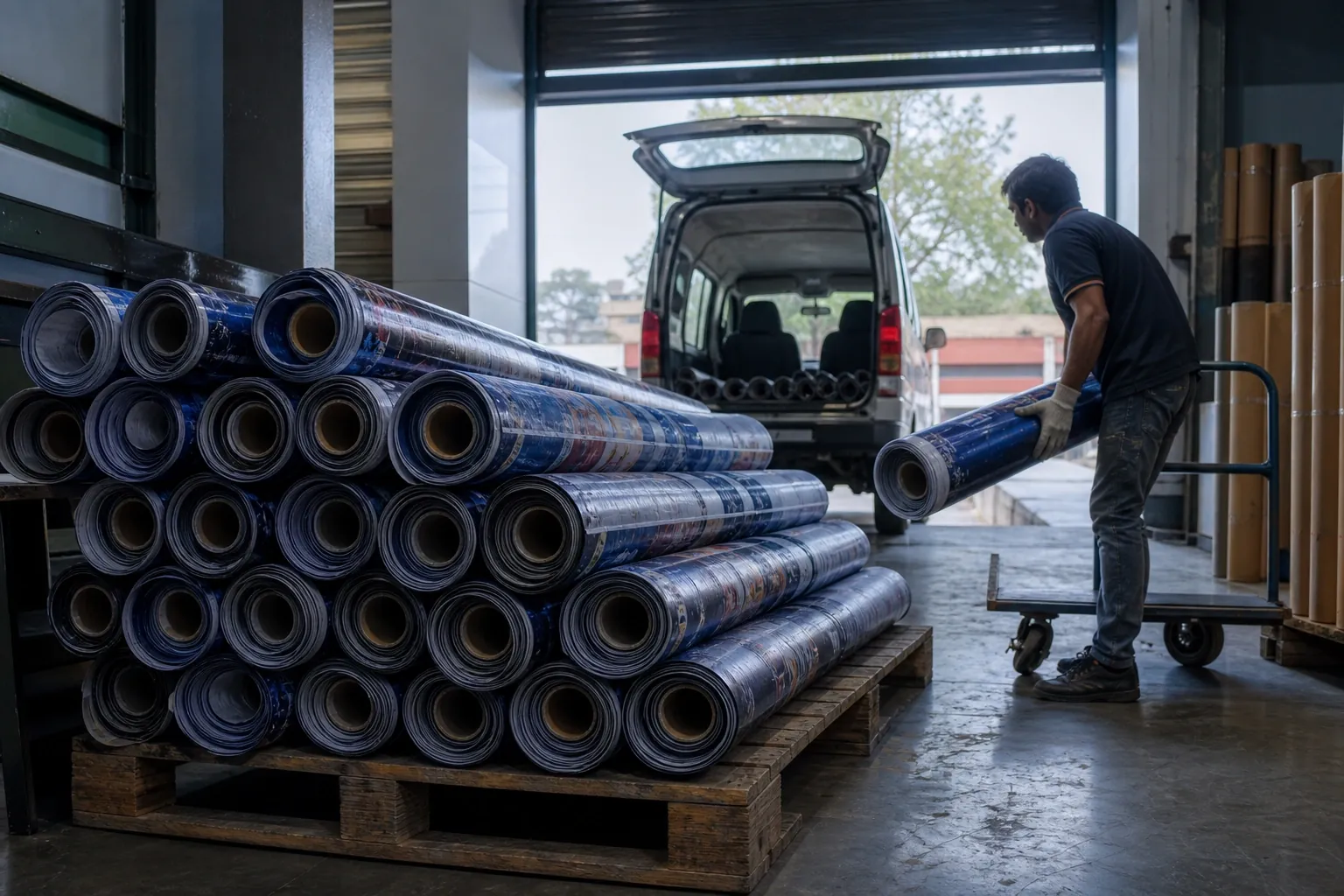
No. IBS prints single banners as well as bulk campaigns. For runs of 50 pieces or more in a standard size, volume rates apply. High-volume campaign runs are produced as colour-consistent batches with sequenced dispatch.
How fast can IBS turn around flex prints?
Standard orders are typically ready in 24–48 hours; bulk runs of 200+ pieces in roughly 72–96 hours, depending on size and finishing. Urgent jobs can move faster for stock materials. We confirm a firm turnaround at quotation once the spec and quantity are known.
Does IBS offer colour matching for brand campaigns?
Yes. We match print output to Pantone references or client-supplied swatches under an ICC-profiled workflow, and for colour-critical campaign runs we print a proof piece for approval before the full run. References are held on file so reprints and top-ups stay matched to the original batch.
Can IBS print mesh and wind-rated flex for wraps?
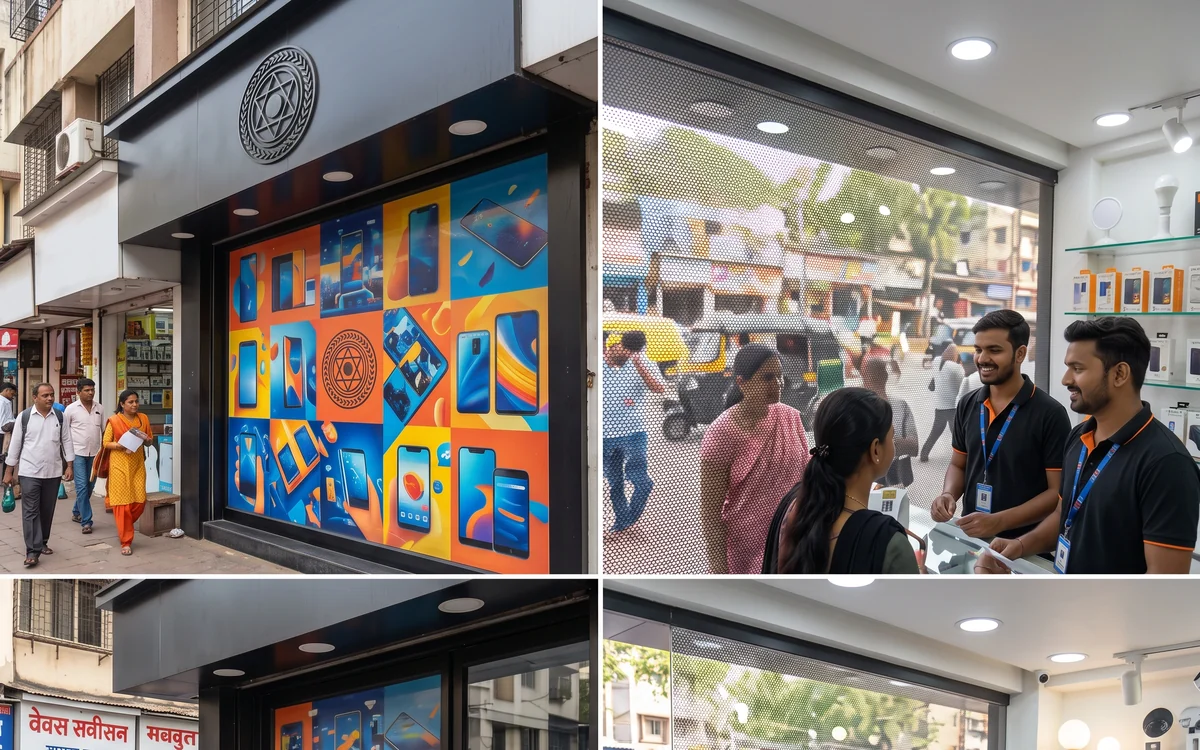
Yes. Wind-permeable mesh flex for building wraps and scaffolding banners lets air pass through to reduce wind load on tall and exposed elevations. We print and reinforce mesh for outdoor durability, and for full building-elevation work coordinate with the wide-format line and the mounting method.
Can IBS supply flex prints with installation?
Yes. IBS crews install flex prints in Mumbai and Pune, near the facility, on your own hoarding structure or a new structure fabricated through the IBS hoarding-fabrication line. Elsewhere in India, banners ship finished with fixing guidance, or installation is coordinated for larger engagements.
What finishing does IBS provide on flex banners?
In-house finishing includes eyelets and grommets spaced for mounting and wind, sewn and reinforced hems, pole pockets and sleeves for banner stands and poles, heat-welded seams for multi-panel banners, and rope or bungee reinforcement for wind-exposed sites. Banners are delivered install-ready.
What flex grades does IBS stock?
Economy flex for short-duration campaigns and premium flex for long-term outdoor installs, plus backlit, mesh, and fabric grades. The grade is matched to your exposure and campaign duration and named on the quote, so you pay for the right grade, not over-spec for a one-week event or under-spec for a six-month site board.
Can IBS print eco-solvent vinyl and fabric banners?
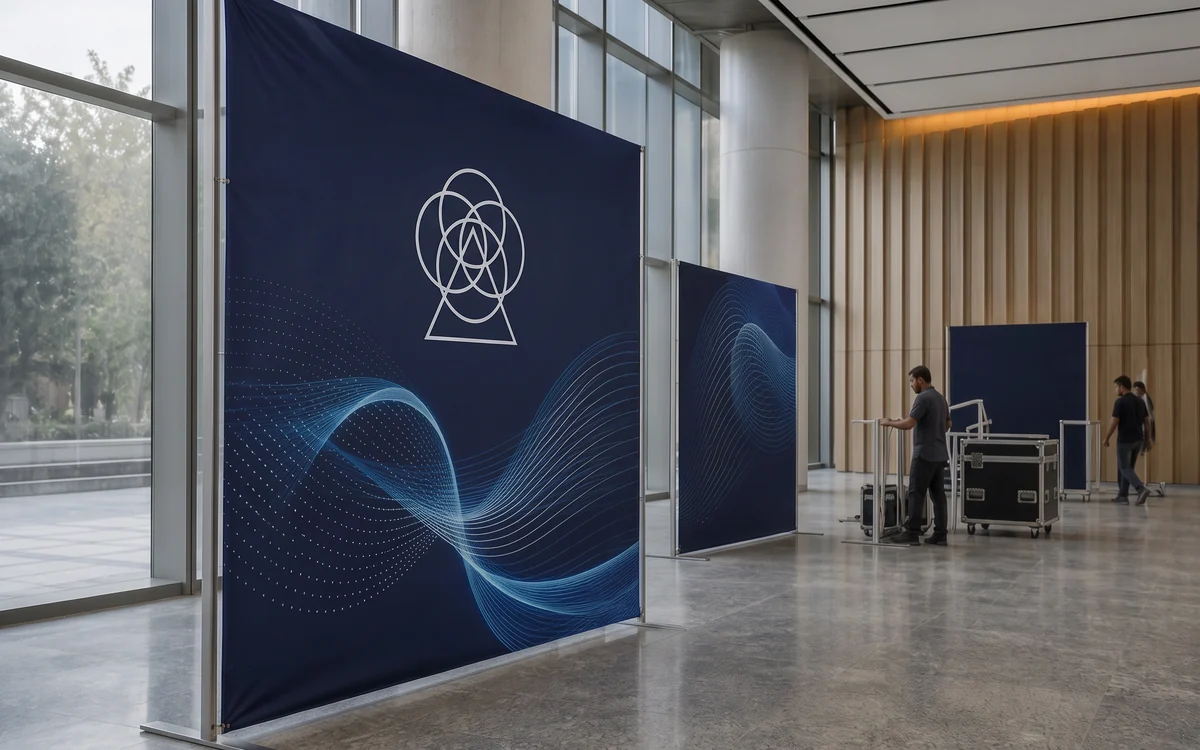
Yes. Eco-solvent printing on self-adhesive vinyl gives a finer, low-odour finish for indoor displays, window graphics, and POS; knitted-polyester fabric suits SEG/tension-frame systems and reusable event banners. For detailed vinyl surface-graphics work, the vinyl and flex printing line covers it in depth.
What sizes can IBS print?
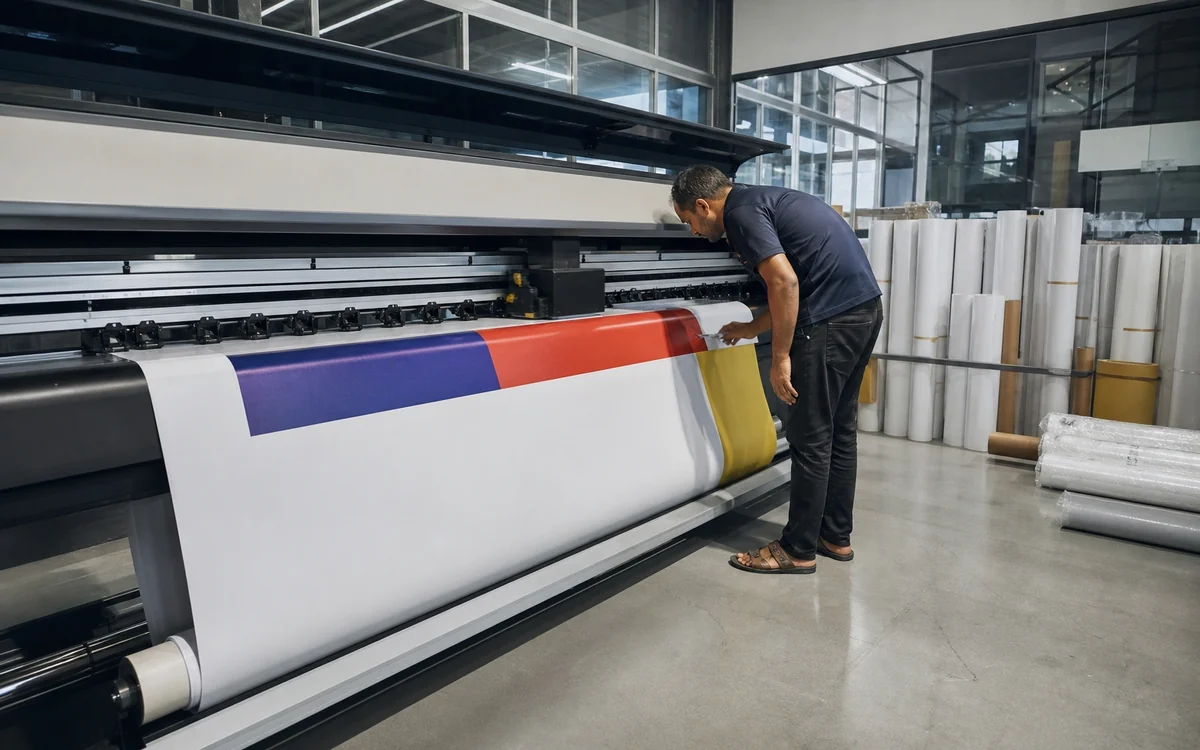
Up to 5 metres wide single-piece seam-free, with larger graphics produced as planned, colour-matched panels. Standard banner and hoarding sizes are produced at volume; custom sizes are no problem, share your width and height and we'll confirm the most efficient print and finishing approach.
Can IBS reprint or extend a running flex campaign?
Yes. Artwork and colour references are retained on file, so campaign top-ups, replacements for weather-damaged banners, and extensions of a live campaign are produced fast and batch-matched to the original run, so replacements match the banners already up.
What artwork format and resolution do you need for flex?
Print-ready PDF is preferred, with vector source (AI, EPS) for logos and type and high-resolution linked images. For flex, resolution is set relative to viewing distance, a road-side hoarding needs lower effective DPI than a close-viewed indoor banner: so files stay practical to handle. Build artwork at a clear ratio to final size in CMYK with bleed; we'll flag at prepress if anything needs rework or scope artwork support.
Can flex banners be reused, or are they single-use?
Standard flex banners are generally single-campaign, though sturdy frontlit banners can be re-hung if undamaged. For genuinely reusable banners, redeployed across events or seasons, knitted-polyester fabric on SEG/tension-frame systems is the better choice: wrinkle-free, washable, and built for repeat use. We'll advise flex versus fabric based on how often you'll redeploy.
How do I get a flex printing quote from IBS?
Share your banner sizes, quantities, sites and exposure, finishing, and your campaign or install date through the enquiry form, WhatsApp or email, with artwork if you have it. We'll confirm the grade and finishing, flag any file requirements, and provide an itemised quotation. Initial consultation is free of charge and without obligation.
 WhatsApp