Imagine walking through a busy market in Delhi or a commercial hub in Mumbai. You look around at the shops. Some have faded, heavy banners that look like they have been there for years. Others have bright, crisp displays that seem to change every week. This visual difference is often the result of the printing method they choose.
For a business owner, picking the right way to print your marketing materials is a big decision. It affects how your brand looks and how much money you spend. Do you stick with the old, reliable methods? or do you switch to modern technology?
At Impulse Branding Solutions, we see this dilemma every day. Clients ask us which method gives the best color or which one lasts longer in the rain. The answer isn’t always simple. It depends on what you need, how many copies you want, and your budget. This guide breaks down the real differences between digital and traditional printing to help you decide.
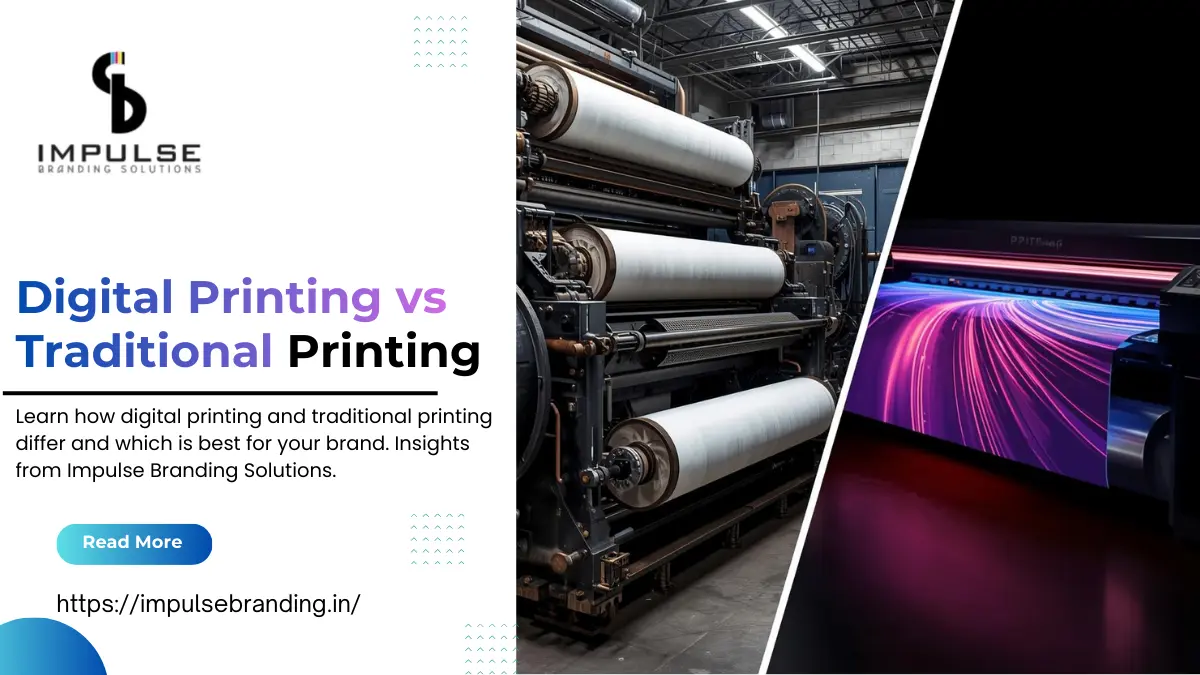
Traditional printing has been the backbone of advertising for decades. When people say “traditional,” they usually mean offset printing, screen printing, or the heavy flex printing you see on highways.
This method involves a physical process. It uses plates or screens to transfer ink onto paper, vinyl, or cloth. Think of it like a stamp. You make a master stamp (the plate), and then you can stamp the same image thousands of times very quickly.
Why people still use it:
The downside:
In fast-moving cities like Chandigarh or Delhi, speed is everything. Traditional printing is slow. You cannot change a single letter once the plates are made. If you spot a typo, the whole batch is wasted. It also struggles with the “urban fade.” We have all seen those old flex boards that turn blue or pink after a hot summer. That is a common issue with cheaper traditional inks.
Digital printing is the modern challenger. It works just like the inkjet or laser printer you might have in your office, but on a much larger and more powerful scale. There are no plates, no stamps, and no messy setup. The image goes directly from a computer file to the printer.
This method has revolutionized how businesses in Mumbai and beyond handle their marketing. You can print a menu today, change the prices tonight, and print a new one tomorrow.
Why it is gaining popularity:
The downside:
While it is fast, it can be more expensive per unit if you are printing huge quantities. For a run of 50,000 copies, digital might hurt your budget. Also, while outdoor durability has improved, some digital inks are still sensitive to harsh sunlight if not laminated properly.
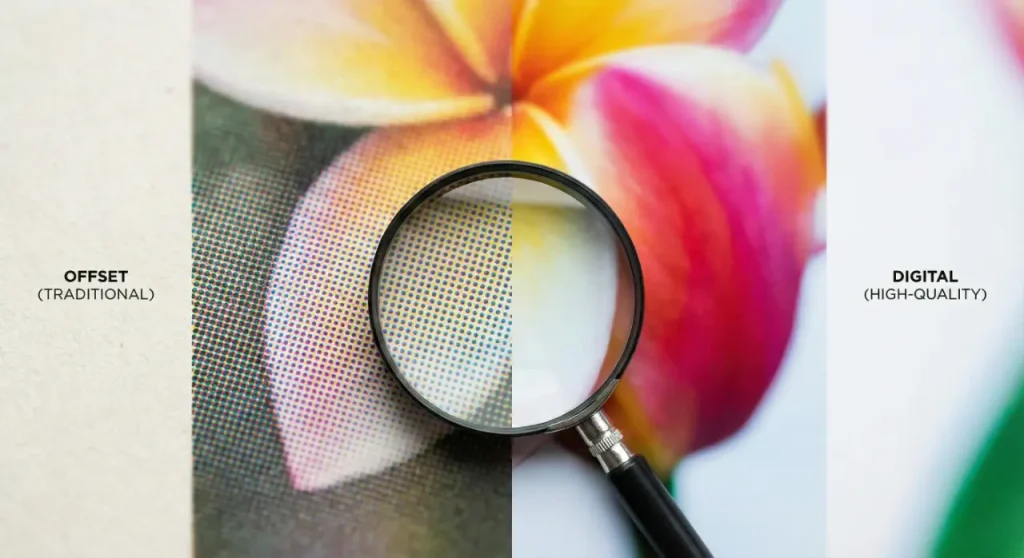
To make the choice easier, let’s look at how these two compare head-to-head.
For a local business in a place like Mumbai, this difference matters. If you are opening a new showroom, you might need hundreds of standard invites (Traditional). But for the specific glowing sign above your door or the promotional standee inside, you need high-detail quality (Digital).
So, how do you choose? It comes down to your immediate goal.
Choose Traditional Printing if:
You are planning a massive campaign. For example, a real estate company covering the whole of Chandigarh with hoardings for a new project. You need consistency, and you need it cheap because the volume is high. If your design is static and won’t change for months, the durability of heavy-duty vinyl (used in traditional setups) is often a safe bet.
Choose Digital Printing if:
You are a retail store, a cafe, or a corporate office that needs to stay fresh. If you have a seasonal offer, digital is your friend. You do not want to order 1,000 banners if you only have two locations.
Impulse Branding Solutions often advises clients to use a hybrid approach. Use traditional printing for your base branding—like your main shop board or standard packaging. Use digital printing for your dynamic marketing—like window displays, monthly offer posters, and event standees.
Case Study: The Mumbai Cafe Update
A local coffee shop in Mumbai used to print 5,000 menus once a year using offset printing to save money. But prices changed, and items sold out. They switched to digital printing with Impulse Branding Solutions. Now, they print just 50 menus every month. The cost per menu is slightly higher, but they save money overall because they never have outdated stock to throw away. plus, their menus always look crisp and new.
Money is always a factor. But remember to look beyond just the printing price.
Upfront vs. Long-term Cost
Traditional printing asks for more money upfront. You pay for the plates and the setup. If you find a mistake later, that money is gone. Digital printing has almost zero upfront cost. You pay for what you print. This is great for cash flow, especially for small businesses.
Durability and Weather
In India, the weather is the enemy of outdoor signage. The scorching sun in Delhi or the heavy rains in Mumbai can ruin a print in weeks.
If your sign is going to be inside a mall or an office, digital is almost always the winner for quality. If it is going on a highway pole for a year, traditional heavy-duty flex is likely the stronger choice.
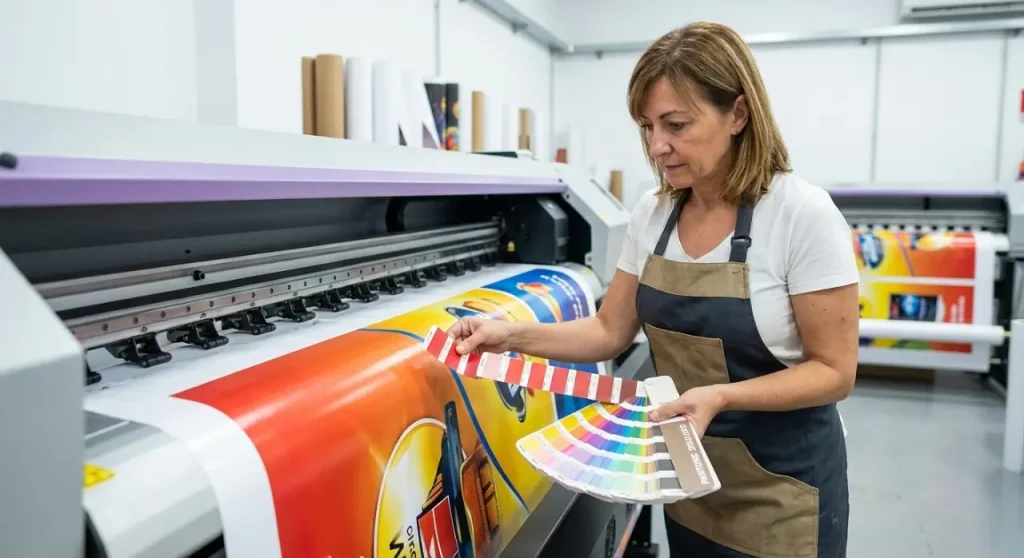
There is no single “best” method. Both digital and traditional printing have their place in the modern business world. Traditional printing is the heavy lifter—great for bulk, standardized jobs. Digital printing is the agile artist—perfect for customization, speed, and high-quality visuals.
The smart move is to understand what your brand needs right now. Are you launching a massive city-wide awareness drive? Go traditional. Are you tweaking your in-store visuals for the festive season? Go digital.
At Impulse Branding Solutions, we help you navigate these choices. We ensure that whether you are in Mumbai, Delhi, or anywhere else, your brand looks its best without wasting your budget. The right print makes your business look professional, reliable, and ready for customers.
1. What is the main difference between digital and traditional printing?
Digital printing sends files directly to the printer, while traditional uses plates or screens.
2. Which printing method is cheaper for large orders?
Traditional printing is cheaper for bulk runs because setup costs are spread over many copies.
3. Can digital printing handle small, customized orders?
Yes! Digital printing is perfect for small batches or personalized designs.
4. Which method lasts longer outdoors in India?
Traditional prints are generally more durable outdoors, especially under sun and rain.
5. Is color quality better in digital or traditional printing?
Digital printing shines for complex images and photos, while traditional is great for solid colors.
6. Can I change a design after printing starts?
With digital printing, yes. Traditional printing cannot be changed once plates are made.
7. Which method is best for seasonal or limited-time promotions?
Digital printing works best because it allows quick updates and small runs.
8. Can a business use both methods effectively?
Absolutely! Many brands use traditional for permanent signage and digital for dynamic, short-term marketing.